
Money is one of those things parents often think their kids are too young to notice. Parents assume their children will learn about money later, when they are older or when they start earning. But, long before a child understands numbers or budgets, they are already picking up money habits from you without you realizing it. They do this simply by watching how you handle, talk about and think about money every day. So I am sharing this 6 Money Habits Your Child Is Learning From You Without You Realizing It, so that you will be aware that your child is watching and learning a lot from you.
These habits are being formed every single day, often in the smallest and most ordinary moments. How you talk about money, how you spend it and how you react when it’s tight or abundant. From grocery store conversations to quick online purchases, these everyday experiences quietly shape a child’s understanding of money.
Your child notices more than you think. They pick up even the sigh you make while paying bills, the way you joke about being broke or how you spend money. These moments are powerful learning moments for your child. They learn about what money means and how it should be used.
The aim of this blog(6 Money Habits Your Child Is Learning From You Without You Realizing It) is to create awareness, help you know and understand these money habits. The knowledge gained will enable you can make intentional changes, in order to raise a child who feels confident, informed and healthy about money both now and in the future.
You can also read 10 common parenting mistakes to avoid in your child’s early years.
6 Money Habits Your Child Is Learning From You Without You Realizing It.
1. The Way You Talk About Money Affects Your Child’s Financial Mindset
Children don’t just hear what you say about money, they feel how you say it. The words, jokes, sighs and even casual complaints you make about money slowly shape how your child understands it. They are learning whether money is something to fear, fight over or feel confident about.
When you use simple phrases like “we are always broke,” “money is hard to come by” or “I can’t ever catch a break financially”. These statements may seem harmless, especially when said jokingly. But to a child, these words can create a mindset of scarcity and stress. They may start believing money is always a problem.
Children also notice tone. If money conversations are filled with tension, arguments or anxiety, kids often associate money with worry. They may grow up feeling uncomfortable talking about finances or believing money is something adults argue over behind closed doors. On the other hand, calm and honest conversations teach children that money can be managed, discussed and figured out.
This doesn’t mean you have to pretend that everything is perfect. It simply means being mindful of what you say or how you behave. Saying things like, “We are choosing not to buy this right now” or “We are saving for something important.” These kind of statements helps children understand that money involves choices, not panic.
The way you talk about money today quietly becomes the voice your child will use with money tomorrow.
2. They Copy Your Spending Habits Without Question
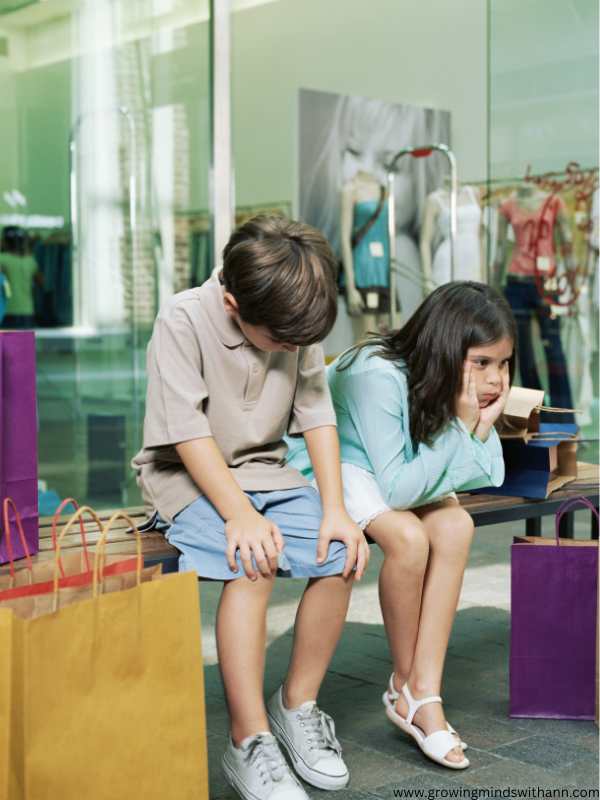
Children are natural imitators. They may not understand why you spend money the way you do, but they copy it without asking question. Every trip to the store, every online order and every little treat sends a message about what spending looks like in real life.
When you often buy things just because they are on sale, shop out of boredom or click add to cart without much thought. These can make children to think that spending is quick and sometimes automatic. It can teach them that money is meant to be spent immediately rather than planned for. Even small, frequent purchases can shape how children view spending as a habit rather than a decision.
On the flip side, when children see you pause before buying something, compare prices or decide to wait, they learn that spending is a choice. Simple comments like, “Let us think about it first” or “We will save this for later,” quietly teach them patience and self-control.
Remember that your everyday spending habits can become your child’s future habits. What feels normal to you today is likely what they will repeat tomorrow.
3. Your Reaction to Bills, Debt and Expenses
Children may not understand what a credit card statement, loan repayment or utility bill really means, but they understand emotions very well. They notice the deep sigh when a bill comes in, the tension in your voice when debt is mentioned or the frustration that shows up when expenses feel endless. Even when you think you are shielding them, these reactions quietly shape how they feel about money.
When bills and debt are always talked about with fear, shame or anger, children can grow up believing money is something stressful and overwhelming. They may start to associate adulthood with constant financial pressure or feel anxious about money long before they ever have to manage it themselves.
When children see you approach bills, debt and expenses with honesty, calm and problem-solving, even when things are hard for you. They learn that money doesn’t have to control their emotions. Instead, they can face it with confidence, resilience and a sense of control.
4. Your Attitude Toward Work and Earning
The way you talk about your job and earnings leaves a lasting impression on your children. Even when they don’t fully understand what you do for work. They notice how you speak about your work, whether you do that with constant frustration, pride, exhaustion or purpose. These everyday comments shape how they view work and how they believe money is earned.
When children regularly hear phrase like “I work so hard and still don’t have money,” they may grow up thinking that earning money always comes with misery. This can create a negative relationship with work, where money feels like something you sacrifice your happiness for rather than something connected to effort, growth or contribution.
Your attitude toward work today quietly shapes how your child will approach earning, responsibility and financial independence tomorrow.
5. How You Handle Wants vs. Needs
One of the biggest money lessons children learn from their parents is how they separate wants from needs. When children’s want such as new toys, extra snacks, impulse buy are instantly met, they may start to believe that money is meant to satisfy every desire right away. This can make it harder for them to understand limits or practice patience.
On the other hand, constantly saying no without explanation can leave kids feeling confused or frustrated, without really learning the why behind the decision. Simple, honest explanations make a big difference. Saying things like, “We need to pay for food and bills first,” helps children understand priorities. It teaches them that choosing not to buy something doesn’t mean lack, it means planning and intention.
When kids see you balance wants and needs thoughtfully, they learn that money is not about having everything rather it is about making smart choices that support the family and the future.
6. Your Saving Habit
Your children learn a lot about saving just by watching what you do with money. They notice whether saving is something that actually happens in your home or something that is only talked about. Even if you’ve never sat down to explain saving, your daily actions are already teaching the lesson.
When children only see money being spent, they may grow up thinking that saving is optional or something done only when there’s extra money left over. But when they see you put money aside even in small amounts It teaches them responsibility and patience.
When your children see saving as a normal, positive habit, they are more likely to grow into adults who feel confident delaying gratification and preparing for what lies ahead.

Conclusion
Having gone through these 6 Money Habits Your Child Is Learning From You Without You Realizing It. I hope you now realize that your everyday choices, words, actions and reactions are shaping your child’s relationship with money. Therefore be intentional on how you talk about money, spend money, save and handle money. Model healthy money habits now, so that your children can imitate you and grow into an adult who feels confident, responsible and prepared to handle money in the future.