This post is all about 7 Clear Signs Your Toddler Is Ready For Potty Training
Potty training is one of those parenting milestones that can feel both exciting and overwhelming at the same time. One minute you are changing diapers without even thinking about it, and the next, you are wondering if your toddler is finally ready to start using the potty. If you have ever found yourself asking, “Should I start now or wait a little longer?” you are definitely not alone.
As a mom, I have been there, and I know that is not easy. In the process of trying to potty my child, I learned that potty training tends to go much smoother when your child is actually ready instead of starting because of pressure from other parents, family members, or timelines online. Every toddler is different. Some are eager to try the potty early, while others need more time, and honestly, that is perfectly okay.
I also discovered that the best approach is simply paying attention to the little signs your toddler starts showing. Sometimes it is staying dry longer, hiding to poop, wanting privacy, or suddenly becoming curious about the bathroom. Those small moments can tell you a lot.
Though potty training comes with messy moments, extra laundry, and a lot of patience, it also comes with really sweet little wins that make you feel proud as a parent.
In this post, you will discover 7 clear signs your toddler is ready for potty training so you can feel more confident about knowing when it is the right time to start.
7 Clear Signs Your Toddler Is Ready For Potty Training
1. Staying Dry for Longer Periods of Time
One of the first signs many parents notice before potty training is that their toddler starts staying dry for longer periods during the day. It may not seem like a huge deal at first, but it is actually a pretty important milestone.
I remember noticing this with my own toddler during nap time. There were days I would go to change the diaper afterward and realize it was still completely dry. At first, I thought it was just luck, but after it started happening more often, I realized the little body was beginning to develop better bladder control.
You may notice your child stays dry for two or three hours at a time, wakes up from naps with a dry diaper, or does not pee as frequently as before. These are all small signs that their body is becoming more aware of when they need to go.
This does not mean your child will suddenly potty train overnight. There will still be accidents and messy moments along the way. But this sign often shows that your toddler may be getting closer to being ready for the next step.
2. They Start Telling You When Their Diaper Is Wet or Dirty
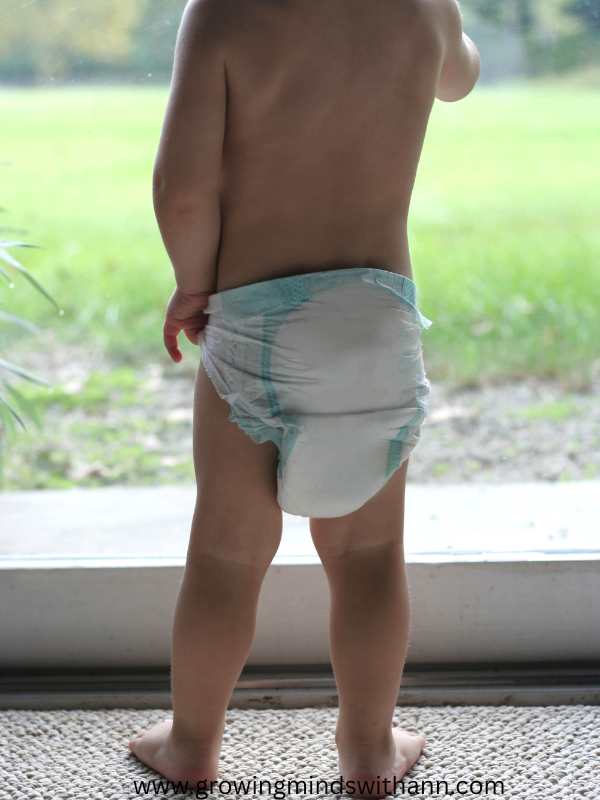
Another big sign that your toddler may be getting ready for potty training is when they begin to notice and tell you that their diaper is wet or dirty. This kind of awareness is actually a huge step because it shows they are starting to connect the feeling in their body with what just happened.
You will hear things like poop, pee, or change me. Other times, they may communicate it in their own little way. My own child often taps me and points toward her diaper to let me know that she has pooed. It is honestly one of those small parenting moments that makes you stop and realize that you are getting somewhere with the potty training thing.
You may also notice your toddler looking uncomfortable in a dirty diaper, pulling at it, hiding after pooping, or wanting to be changed right away. These little behaviors show growing body awareness, and that awareness is an important part of potty training readiness.
3. Showing Interest in the Toilet or Bathroom Habits.
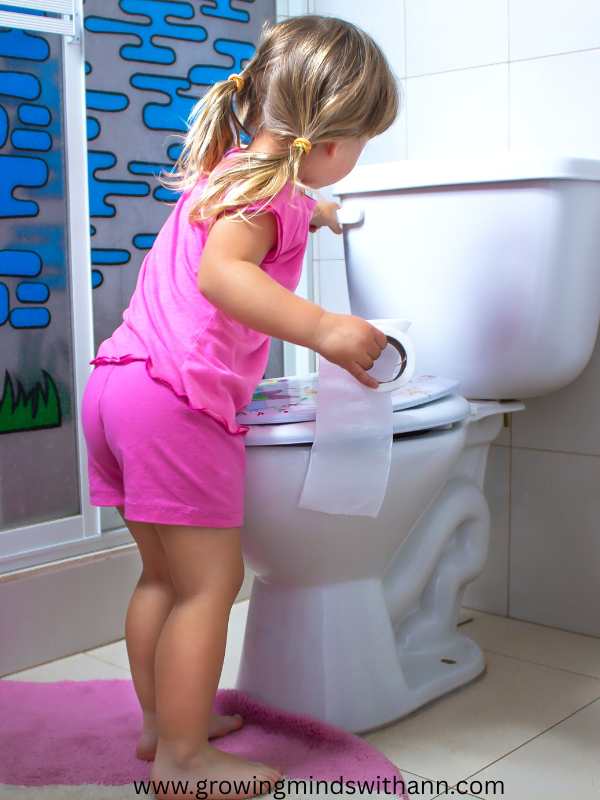
One funny thing about toddlers is that the moment they become interested in potty training, your bathroom suddenly stops being private. They want to follow you in, ask questions, flush the toilet ten times in a row, and sometimes even narrate everything happening like a tiny commentator.
This kind of curiosity is actually a really good sign. When toddlers start paying attention to bathroom habits, it often means they are beginning to understand that using the toilet is a normal part of everyday life. They may watch older siblings, copy parents, or become fascinated with toilet paper, hand washing, or flushing.
You may also notice your child wanting to sit on the potty fully clothed, asking where pee and poop go, or getting excited about underwear. These small moments of interest can make potty training feel less scary and more exciting for them.
One thing that really helped me during this stage is making them feel included instead of brushing off their curiosity. Let them flush the toilet, wash their hands, or even pick out a fun potty chair or colorful underwear.
4. The Are Abel To Pull Their Pants Up and Down
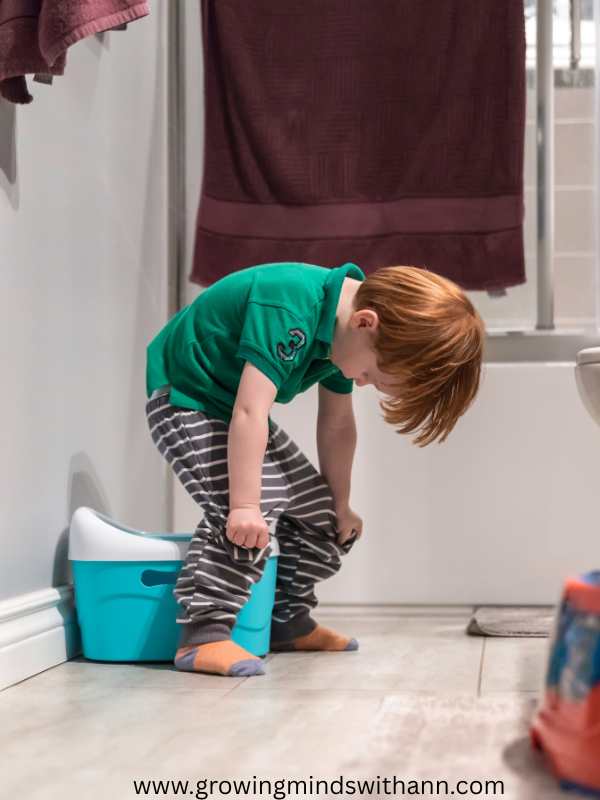
One sign that often gets overlooked during potty training readiness is when your toddler starts trying to pull their pants up and down by themselves. It may seem like a small thing, but it actually makes a big difference once potty training begins.
Toddlers usually go through the stage of I can do it myself, and honestly, it can be both adorable and exhausting at the same time. One minute they are refusing help with their socks, and the next they are determined to wrestle with their pants for five whole minutes just to prove they can do it alone.
Being able to manage clothing is helpful because potty training involves more than just recognizing when they need to go. Toddlers also need enough independence to get their clothes down quickly before accidents happen. Simple things like elastic waistbands, loose shorts, and easy-to-remove leggings can make this stage so much easier for both parents and toddlers.
5. Their Bowel Movements Start Becoming Predictable
Is always a win when your toddler’s bowel movements start happening around the same time each day. Many parents eventually notice a pattern without even trying. Maybe your toddler almost always poops after breakfast, during nap time, or right after dinner. Once you start seeing that routine happen consistently, it can actually help you introduce potty time more naturally.
Predictable bowel movements are helpful because they give parents a better idea of when to encourage potty sitting without forcing it. Instead of randomly asking your child to sit on the potty all day long, you can gently guide them toward the potty during the times they are most likely to need it.
This sign can also help reduce frustration for both parents and toddlers. Potty training often feels less overwhelming when there is already a rhythm to work with. And even if they do not actually use the potty right away, simply getting comfortable sitting on it during their usual bathroom time is still progress.
6. They Can Understand and Follow Simple Instructions
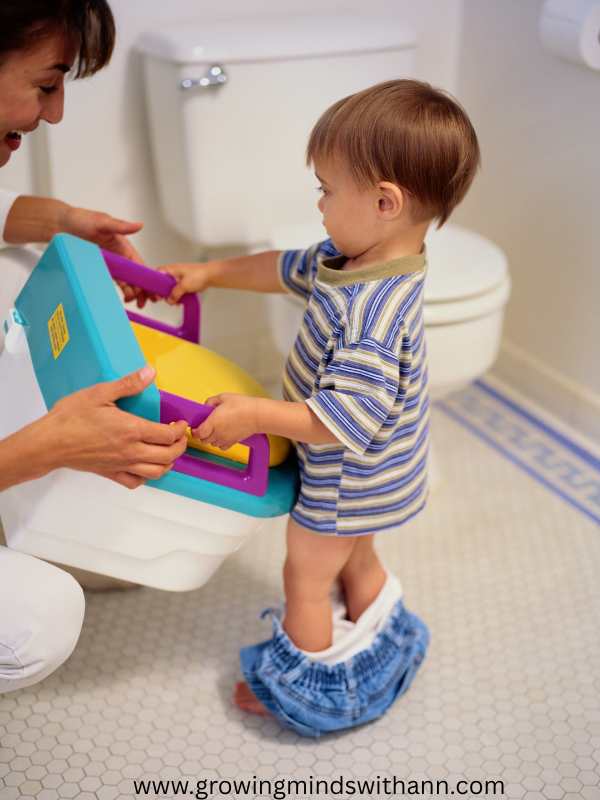
For potty training to work smoothly, toddlers need to understand simple directions like come here, sit on the potty, pull your pants down, or even run to the bathroom. When your child begins understanding and responding to these kinds of instructions, it can be a strong sign they are getting ready for potty training.
Of course, no toddler follows instructions perfectly all the time. Some days they listen beautifully, and other days they suddenly forget how ears work altogether. That is just part of toddler life. But when your child can generally understand and respond to simple guidance, potty training tends to feel a little less overwhelming for both of you.
At this stage, keeping instructions short, calm, and simple really helps. Toddlers respond better to gentle encouragement than pressure, and even small cooperation is a sign they are learning and growing.
7. They Want To Do Things On Their Own
There comes a stage in toddlerhood where suddenly your little one wants to do absolutely everything by themselves. They want to carry their own cup, choose their clothes, feed themselves, open doors, and sometimes even insist on doing things they clearly still need help with. As exhausting as this phase can be, that growing sense of independence can actually be a really good sign for potty training readiness.
That independence can really help during potty training because toddlers often feel proud when they learn new big kid skills. Simple things like washing their hands after using the potty, flushing the toilet, or pulling their own underwear up can make them feel accomplished and excited to keep trying.
Possible Signs Your Toddler Is Not Yet Ready for Potty Training
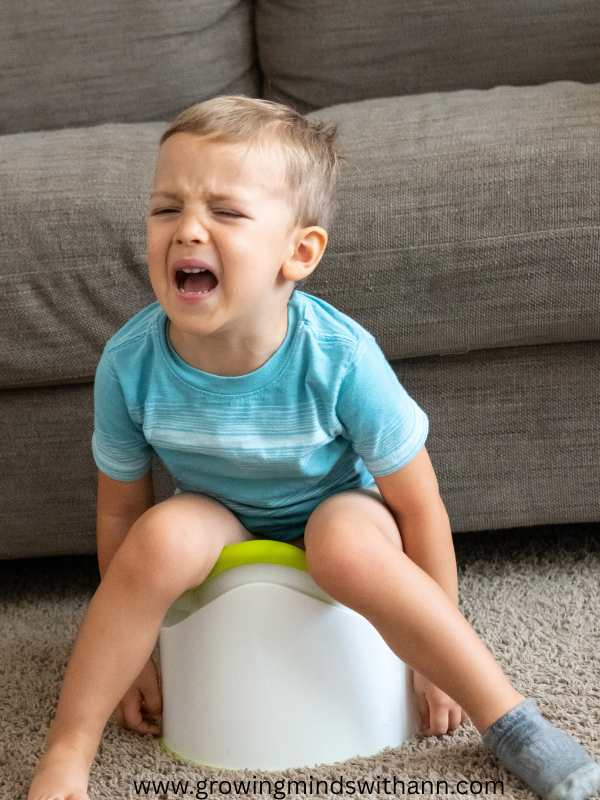
1. Extreme fear of the potty.
2. Constant resistance whenever potty training is mentioned.
3. Inability to communicate basic needs.
4. Frequent meltdowns during potty time.
5. Showing no awareness of wet or dirty diapers.
6. Difficulty sitting still even for a short time.
7. Refusing to sit on the potty at all.
There is nothing wrong with waiting a little longer. If you find out your toddler is not yet ready, allow them to be. Many parents discover that when toddlers are truly ready, potty training often feels much smoother and less stressful for everyone involved. Every child moves at their own pace, and there is no prize for finishing first.
Simple Potty Training Tips for Parents
1. Do not rush the process.
2. Keep instructions simple and gentle.
3. Make the potty feel fun and safe.
4. Dress your toddler in easy-to-remove clothing.
5. Create a simple potty routine.
6. Be patient with setbacks.
7. Trust your instincts as a parent.
8. Let your toddler learn at their own pace.
9. Praise them whenever they use the potty right.
This post showed you 7 Clear Signs Your Toddler Is Ready For Potty Training
You may also like: