Getting preschoolers to read is not as easy as it sounds. In this article, I will be sharing 5 amazing preschool reading tips for parents that I used during my daughter’s preschool age that worked for us.
When I was homeschooling my daughter during her preschool age, at first I was very nervous. Like every parent, I was wondering if I was doing it the right way. As I was still wondering and doing my research, I came to realize that I can’t just introduce reading to my child without doing the basic things that are required.
These basics are the building blocks that will lay a solid foundation for my preschooler to start reading without encountering any difficulty and at the same time make it fun, engaging and flowing naturally.
Before I go on to share these preschool reading tips for parents with you, I want us to explore why it is important to teach our preschoolers how to read at home.
If you like this, you will definitely like our 10 proven homeschooling tips for preschoolers.
Importance of Teaching Preschoolers How To Read At Home
Teaching preschoolers how to read is very necessary, as the knowledge they acquired now will help them in their academic journey. Below are some of the importance of teaching preschoolers how to read.
1.Teaching preschoolers how to read helps them to have a strong foundation for future learning. Introducing letters, sounds and words to preschoolers at their early stage enables them to start reading on time. Also other academic success depends on their ability to read and understand.
2. It enables preschoolers to develop a love for reading. This implies that your little one will not be afraid whenever a book is presented to them for reading.
3. Teaching preschoolers how to read helps them to develop good language and communication skills. When preschoolers listen to new words and rhymes, it helps to expand their vocabulary and also helps them to express themselves very well.
4. It helps to boost their confidence. When preschoolers are able to express themselves and even recognize little words, it gives them confidence and makes them proud of themselves.
5. The time you spend teaching your preschooler how to read helps to strengthen the bond that exists between you and your child.
6. It also helps in developing their listening and focus skills. As they sit down to listen to you as you teach them how to read, it develops in them listening skills which will help them in their journey of life and not just in their academics.
Preschool Reading Tips For Parents
Now, Here comes the 5 amazing preschool reading tips for parents that worked for us;
1. The First Preschool Reading Tip Is Introducing The Alphabet:
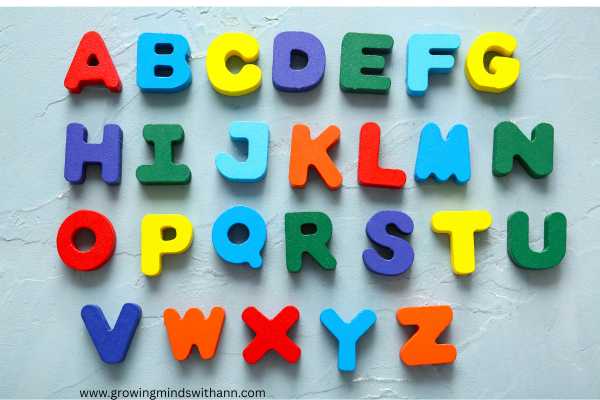
When I first began teaching my daughter how to read, I quickly learned that everything started with the alphabet. At first, I thought I needed to jump straight into words or simple books but then I realized that without a strong connection to letters, she would struggle to learn how to read. So, I decided to make the alphabet our starting point, but I made sure I kept it simple and playful. Check fun ways to teach the alphabet to preschoolers for insights on how to playful teach the alphabet to your child.
Instead of drilling her with flashcards, I introduced letters in our everyday routines. We sang the ABC song while tidying up, traced letters in the sand at the playground and also spelled out her name. She loved seeing letters pop up in familiar places and I noticed that the more fun we made it, the faster she recognized them.
What stood out to me was how proud she felt when she could point at a letter and call it by name. That confidence motivated her to want to learn more. It became a way to celebrate her little victories, one letter at a time. Looking back, I realize this small step laid the foundation for everything else we did in her reading journey.
2. Introduce Letter Sounds (Phonetics):
After my daughter became familiar with the alphabet, the next thing I did was to help her to connect letters to the sounds they make. At first, I worried it might be too much for her, but I soon discovered that children pick up sounds very naturally especially when it’s woven into play.
I started with the letters in her name because they felt meaningful to her. Each time we saw the letter “M” on a sign or in a book, I would say, M makes the sound /mmm/, as in milk. She loved repeating the sounds back, and before long she was pointing them out to me instead.
We also turned it into a game like sorting objects by the beginning of their sounds and sometimes we pretend to be animals and act out the sound of the first letter.
I realized that learning sounds gave her a sense of power. She learnt that letters weren’t just symbols but they also had meaning. Gradually, she started matching letters to their sound and this made her become more curious about putting them together into words.
3. Blend The Sounds Into Two Letter Words
After my daughter learnt the letter sounds, I decided to introduce two letter words to her. At first, I wasn’t sure if she was ready, but I thought starting small would build her confidence before moving on to longer words. We began with simple ones like as, at, it, if, is and the rest of them.
I remember how excited she was when she started reciting them herself. The first word she learnt was as, and she couldn’t stop saying it proudly around the house. Every time she spotted it in a book or on a page, she would shout it out like she had found treasure. Seeing her light up over such tiny words reminded me that these small steps are actually huge milestones for preschoolers.
We always kept our practice short and playful. Sometimes we would write two letter words on sticky notes and place them around the house. She became confident and was eager to try blending longer words.
You may also like: Best educational toys for toddlers and preschoolers.
4. Move To Three Letter Words
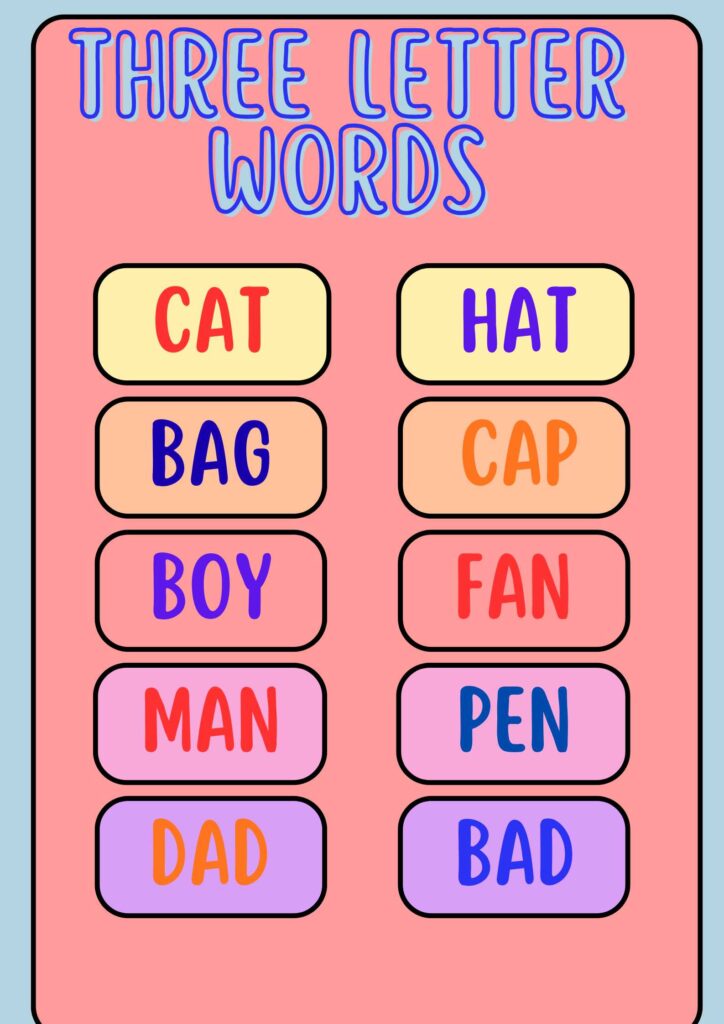
When my daughter became confident with reciting and identifying two letter words, I introduced her to three letter words and this step felt like a real turning point. Though it was not easy at first, we were able to achieve success at last.
To keep her interested, I choose simple words that are connected to things that she always sees such as dog, sun, hat, cat and pen. We would read them in her books, act them out and even draw little pictures together.
Sometimes she got frustrated when she couldn’t pronounce the words smoothly, but I learned to stay patient and encourage her to try again. We always celebrate even the smallest success and I always boost her confidence by reminding her that she can do it.
With time, she was able to pronounce some of the three letter words in her storybooks and around the house. She was full of excitement on what she has been able to achieve. Those moments reminded me that blending sounds into short words helps children to believe in their own ability to figure things out step by step.
Check out these articles:
Cute sun crafts for preschoolers
5. Make Reading Part Of Every Day Routine:
One of the best things I did while teaching my daughter how to read was weaving it into our everyday routines instead of treating it like a lesson. I noticed that she learned the most when reading didn’t feel like school, but just part of everyday life. Bedtime stories became our favorite tradition and she enjoyed every bit of it.
Even simple moments like grocery shopping turned into fun reading games. She loved pointing out letters on cereal boxes or trying to read short words like milk and egg on labels. Even during car rides, she would shout out letters she saw on billboards or road signs and those little things kept her curious and excited.
Looking back, I realized that these ordinary routines made the biggest difference. My daughter didn’t see reading as a task, she saw it as an adventure that was always around her. This made her to grew up with confident.
Common Mistakes To Avoid When Teaching Preschoolers How To Read
When I started teaching my preschooler how to read, I made a few mistakes which I unlearned along the way. I wouldn’t like you to repeat the same mistakes. That is why I am sharing this with you, for you to read and learn from my mistakes.
1. Do not rush the process, keep it one step at a time. Children need time to digest and implement each step before another step will be introduced. Rushing will only make them lose interest.
2. Resist the urge to compare your child’s progress with that of other children. Remember that every child learns at their own pace, always follow your child’s pace.
3. Do not push your child to see reading as a chore. Keeping it short, simple and playful works more better and also sustains their interest in reading.
4. Do not expect too much from your preschooler. Remember you are dealing with a preschooler, therefore you can’t expect them to be perfect. Accept and correct their mistakes because mistakes are also part of the learning journey.
5.Do not forget to celebrate every bit of success they achieved. This helps to boost their confidence and also serves as an encouragement to them.
Frequently Asked Questions
How can I encourage my preschooler to enjoy reading?
Make reading feel fun rather than like a lesson. Let your child choose some of the books, use funny voices, point at pictures, and ask simple questions. Even a few minutes of enjoyable reading each day can help your child develop a positive relationship with books.
How often should I read to my preschooler?
Try to read with your preschooler every day, even if it is only for 10 to 15 minutes. A consistent reading routine can help your child become familiar with books and develop important early literacy skills.
What types of books are best for preschoolers?
Choose books with colorful pictures, simple stories, rhyming words, repetition, and topics your child enjoys. Animal stories, nursery rhymes, bedtime stories, and books about everyday experiences can all be great choices.
What if my preschooler does not sit still during story time?
That is completely normal. Preschoolers are naturally active and may not sit quietly through an entire book. Let your child move, point at pictures, or interact with the story. You can also choose shorter books and gradually increase reading time as their attention develops.
How can I make story time more interactive?
Ask your child what they think will happen next, point out interesting pictures, and encourage them to repeat familiar phrases. You can also connect the story to their everyday experiences. These little conversations make reading more engaging and help build comprehension.
Should I read the same book repeatedly?
Yes! Preschoolers often enjoy hearing their favorite stories again and again. Repetition helps children become familiar with new words, story patterns, characters, and sequences. So, do not worry if your little one keeps bringing you the same book.
How can I help my preschooler learn new words through reading?
Talk about unfamiliar words as you read and explain them using simple language. You can also ask your child to point to objects in the pictures and describe what they see. Repeating new words naturally during everyday conversations can help them remember them.
What should I do if my child loses interest in reading?
Do not force it. Take a short break and try again later with a different book or reading activity. You can also introduce books through songs, puppets, storytelling, or picture-based games to make reading feel fresh and exciting.
Can bedtime stories help with preschool reading development?
Absolutely. Bedtime stories can support vocabulary, listening skills, comprehension, and a love for books while creating a calming routine. It is also a beautiful way to spend quality time together before your child goes to sleep.
When should I start reading to my child?
You can start reading to your child from infancy, but it is never too late to build a reading routine. If your preschooler is just beginning to enjoy books, start with short, engaging stories and make reading a regular part of your day.
Conclusion
Teaching preschoolers to read at home works best when it’s kept simple, playful, and consistent. Starting with the alphabet, moving into letter sounds and gradually blending words helps children build a strong foundation without pressure.
It is important to remember that every child learns at their own pace, some may take longer to connect the pieces, and that is completely normal. The key is to make the whole process enjoyable, celebrate their small wins, and focus on inculcating in them a love for books. When learning feels fun, children grow confident, curious, and ready to embrace reading as part of their everyday lives.
I hope this preschool reading tips for parents works for you, just as it worked for my child and I.