The need for building strong family bonds can never be overemphasized. These days, life is so busy that many parents barely get time for their children. Some leave home before the kids wake up and return late at night when they are already asleep.
Over time, this lack of connection can make children drift away and turn to friends for advice and support which sometimes may not give the best advice.
The truth is, one of the greatest gifts you can give your children is your time. The memories you create with them now will be what they will carry with them as they grow older and face the world. That is why it is important to be intentional about creating those special moments now they are still under your care.
You can also build family bonds with this 60 family affirmations that strengthen bonds and build lasting connections.
When families are closely connected, children feel loved, safe and supported. Strong family bonds encourage good behavior. It help kids perform better in school. It also give them the confidence to express their feelings without fear of parents judging them. Also a child who grows up in such an environment learns to live by family values and naturally spreads love wherever they go.
In this post, I will be sharing some simple 7 habits you can start today to build stronger family bonds at home. Try them out, and you will be amazed at how much closer, happier, and more united your family will become.
7 Habits That Build Strong Family Bonds At Home
1. Spending Quality Time Together
Spending quality time together does not only build and strengthen family bonds. It also gives a sense of belonging and security to everyone in the family. It is not just about being present, you can be bodily present when you are not actually there.
This is because you all can be in the same room but everyone will be glued to their phone or even the television. At this point no bonding is taking place as everyone is just bodily present with their souls apart.
Building strong family bonds through quality time together is about giving your all so that everyone will feel loved and important.
It is also about creating memories that will carry your children to adulthood. Because at the end of the day, they may not remember the toys and gadgets you bought for them. They will always remember how you made them feel.
Here are some simple ways families can spend meaningful time together:
1. Create a family meal time where everyone will eat together, share stories and over the dinning as they eat.
2. Set aside a daily or weekly time to read stories, tell family tales or enjoy movies together.
3. Plan outings, weekend getaways or vacations to explore new places and strengthen your bonds.

2. Communicate Openly And Honestly
One of the strongest foundations of building strong family bonds is open and honest communication. This is more than just talking.
It is about truly listening, understanding and creating a safe space where everyone feels comfortable to share their thoughts.
When children know they can talk to their parents without fear of being judged, they feel safe, loved and respected. This does not only builds their trust but it also boosts their confidence.
As a parent, make it a habit to encourage your kids to confide in you. Do not dismiss or push them away when they want to talk to you, no matter how small their concerns may seem.
Children who feel heard and guided by their parents are more likely to stay open and honest. They know they will be corrected with love and not criticism.
It is also important to model open communication yourself as parent, be truthful with your kids, avoid saying one thing and doing another.
When children discover that their parents have been dishonest to them, it can break their trust. It can also make them to become secretive. Honesty, respect, and consistency from you will encourage them to do the same.
If you have toddler, you will definitely need these articles:
Popsicle stick match activities for toddlers.
Fish bones straw threading activity for toddlers.
Masking tape activities for toddlers that are easy and fun.
3. Create A Family Value Board
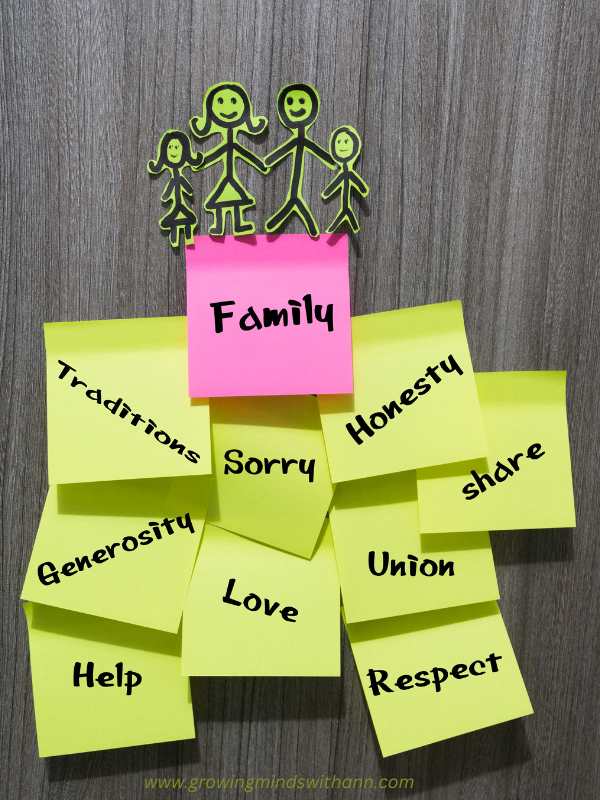
A family value board could be a whiteboard, chalkboard, or even a large piece of cardboard where the family can display the values that matter most to them.
Every family has certain values which they hold very dear, it could kindness, honesty, teamwork, love or respect. But sometimes, in the rush of everyday life, those values can get lost in the background.
Therefore it is very important to create the family value board to act as a reminder of who you are as a family and what you stand for.
Family value boards can be created in a fun way. You can gather the members of the family to discuss these values and what is expected from them as members of the family.
As the discussion is going on, you can ask any of your children who can write to write the values down. This is a way of allowing the children to partake in the decision making in the family.
Discuss and write them down. You can also print it in bold letters and place it in a corner where everybody in the family can easily see and read it.
It will serve as a daily reminder for every member of the family. It is also during family time, that family values can always be referred to, so that it will always remain fresh in everyone’s memory.
You can also create motherhood vision board for intentional parenting as a guide your as a mom.
4. Create Time For Family Meetings
Family meetings is where every member of the family checks on each other to know how things are going with them. It is in the family meeting that everyone is able to air their grievances, vulnerability and also share their little wins.
It gives families the time to discuss any pressing needs. It is a time to correct any family member who is not living within the family values. Family meetings also give room for families to plan and discuss their future. They also discuss things like next vacation, anniversary or upcoming birthdays.
Family can hold meetings once a week or even once in a month. It doesn’t have to be too long, just few minutes of sitting together, talking and listening to each other and also giving solutions to any issue the family raises.
This helps to foster unity in the family and also helps to build strong family bonds. Over time, it will become something the family (especially the children) look forward to.
5. Support Each Other’s Interest and Goal
A family is made up of unique individuals with their own dreams, hobbies and passions. Supporting each other’s interest and goal is one of the most beautiful ways of building strong family bonds.
Supporting each other doesn’t always mean you have to share the same interest. You don’t have to love football to cheer up your child who loves football.
Do not push your children into doing things because you want them to. You should encourage them by giving them a listening ear and also believe in their abilities. This shows the children that you care about what matters to them.
When families support each other’s goals, whether big or small, they create an environment where everyone feels safe to dream, try and even fail without fear.
Supporting each other’s interest teaches children the importance of standing by the people they love no matter the circumstance.
6. Do Chores And Tasks Together
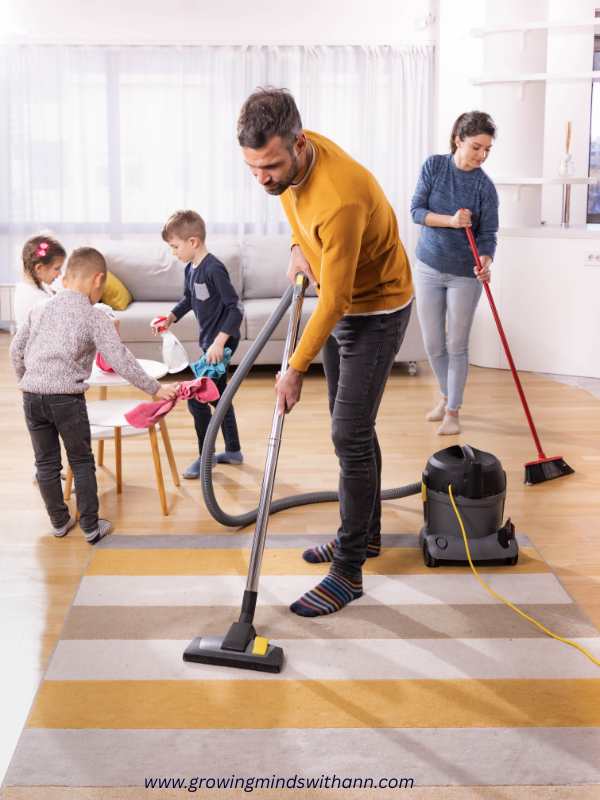
Though doing chores may not be the most exciting part of family life but when family does them together, they can foster unity and create an everlasting memory.
Chores like folding laundry, cooking and tidying up the living room together can easily turn into moments of laughter, storytelling, and connection.
Doing tasks together as a family is also an opportunity to teach children responsibility and teamwork. It help children to understand that keeping the home clean is for everyone and not just one person’s job.
When family does tasks and chores together, it makes children understand that they are important contributors of the family, not just observers. These give them sense of pride and belonging. It also give parents joy to see their children grow more capable and confident.
You can also introduce fun sibling bonding activities to reduce sibling rivalry at home.
7. Always Celebrate each other
You should not limit celebrations to birthdays or big milestones, rather it should be an everyday moment especially for the kids.
You can celebrate your children over their little wins, it doesn’t always require balloons and parties. You can cheer and applaud your children when they fix a puzzle they have been working on for days. Cheer them when they dress the bed or water the garden. Let them know that you recognize their efforts and you are proud of them.
Celebrating each other builds confidence and creates an environment where everyone feels valued and loved. Children thrive very well when their efforts are recognized. They carry those moments in their hearts and are motivated to keep trying, even when things get tough.
If you have a preschooler, you will find these articles helpful:
Fun ways to teach the alphabet to preschoolers.
Preschool reading tips for parents.
Best educational toys for toddlers and preschoolers.
How to Make These Family Bonding Habits Stick
Building strong family bonds does not mean having perfect family routines every single day. Life gets busy, children have different moods, and some days simply do not go as planned. What matters most is making small efforts consistently and finding what works for your family.
1. Start Small
You do not need to introduce all seven habits at once. Choose one or two that feel realistic for your family and build from there. Even a few minutes of meaningful connection each day can make a difference.
2. Keep It Simple
Family bonding does not have to involve expensive outings or complicated activities. A bedtime chat, shared meal, short walk, or quick game can create meaningful moments together.
3. Choose Habits That Fit Your Routine
Look at your family’s daily schedule and find natural opportunities to connect. For example, breakfast may work better for one family, while bedtime may work better for another.
4. Put Away Distractions
Try to give each other your full attention during family moments. Keeping phones, television, and other distractions away can make conversations feel more meaningful.
You may also like:
Positive discipline techniques for preschoolers.
10 Proven homeschooling tips for preschoolers.
5. Let Everyone Participate
Family bonding works better when everyone feels included. Allow your children to suggest activities, choose games, or share ideas about family traditions.
6. Be Consistent, Not Perfect
Some days will be hectic, and that is completely normal. Missing a family meal or skipping an activity does not mean you are failing. Simply reconnect and continue the next day.
7. Make It Something to Look Forward To
Keep family routines enjoyable rather than making them feel like another chore. When children associate family time with laughter, love, and attention, they are more likely to participate happily.
Common Mistakes That Can Weaken Family Connections
Even loving families can fall into habits that slowly create distance. Below are some habits that weakens family bond, and need to be avoided.
- Too much screen time can take attention away from meaningful family moments.
- Not listening to children’ complain. They need to feel heard, even when their concerns seem small to us.
- Only talking about only problems without including fun and encouragement words.
- Being too busy to connect with your kids and other family members.
- Comparing siblings creates jealousy and make children feel less valued.
- Ignoring family traditions
- Forgetting to show affection, simple hugs, kind words, and appreciation can remind children that they are deeply loved.
Frequently Asked Questions
How can I strengthen my family bond at home?
You can strengthen your family bond by making time for regular conversations, shared meals, and simple activities. You do not need to plan something special every day. Sometimes, sitting together after dinner or talking before bedtime can create meaningful connection. What matters most is being present and showing your family that they are important to you.
What are simple family bonding activities for busy parents?
Busy parents can choose activities that fit naturally into their daily routines. You can cook together, take a short evening walk, play a quick board game, read a bedtime story, or simply talk about your day. Even a few minutes of undivided attention can help children feel loved and connected.
How much family time do children need?
There is no perfect number of hours that every family needs to spend together. Quality often matters more than quantity. A few minutes of genuine conversation, laughter, or shared activity can be meaningful when everyone is present. Try to create regular opportunities for connection rather than worrying about meeting a specific amount of time.
How can I get my children to talk to me more?
Start by creating a space where your children feel comfortable sharing without fear of immediate criticism. Ask open-ended questions and listen patiently, even when their stories seem unimportant. Sometimes children talk more freely while doing something together, such as cooking, walking, or getting ready for bed. Give them time, and let them know that they can always come to you.
What family traditions can we start at home?
Family traditions can be as simple as a Friday movie night, Sunday breakfast, monthly game night, or a special bedtime routine. You could also have a family baking day, seasonal craft tradition, or a yearly family photo. The tradition does not have to be expensive or elaborate. What makes it special is doing it together and creating memories over time.
How can parents build stronger relationships with their children?
Parents can build stronger relationships by listening, spending one-on-one time with their children, showing affection, and keeping communication open. Try to be interested in the little things your child enjoys instead of only focusing on schoolwork or responsibilities. Children need to know that their parents enjoy being around them, not just that their parents take care of them.
Can simple daily routines really improve family relationships?
Yes, simple routines can create regular opportunities for connection. A shared breakfast, family check-in, bedtime conversation, or evening walk can become something everyone looks forward to. These small moments may seem ordinary, but they can help children feel secure, noticed, and loved as they grow.
Conclusion
Building strong family bonds at home can be a shared meal, a bedtime conversation, a warm hug, or simply listening to your child can create lasting memories.
These 7 habits that build strong family bonds at home are simple enough to fit into everyday life. You do not have to practice them perfectly or change your family’s routine overnight. Start with one habit that feels manageable and slowly make it part of your family’s daily life.
Children may not remember every activity you planned, but they will remember how loved, heard, and valued they felt at home. So, make time for each other, put away distractions, laugh together, and enjoy the little moments. These simple efforts can help create a home filled with love, trust, and connections that grow stronger with time.