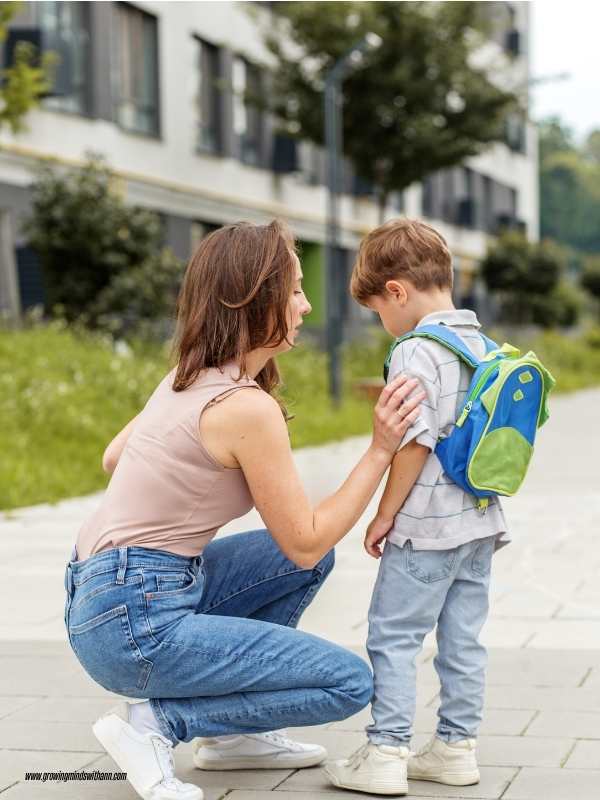
Starting school is one of the biggest milestones in a child’s life, and for many parents, it’s an emotional milestone too. While it’s an exciting new chapter filled with opportunities to learn, grow, and make friends, it’s also a season of change that can bring plenty of uncertainty. New routines, early mornings, unfamiliar faces, and spending several hours away from home can feel overwhelming for young children. As parents, it’s completely natural to wonder how your child will adjust.
I remember feeling many of those same emotions when my own child was getting ready for the first day of school. Like many parents, I quickly realized that preparing a child for school involves much more than buying a backpack and school supplies. Children need time to adjust emotionally and mentally to this new routine. A little preparation before school starts can go a long way in easing first-day nerves, reducing separation anxiety, and helping your child walk into the classroom feeling safe, excited, and confident.
One of the best gifts we can give our children is the confidence to face new experiences with courage. If you’re also working on nurturing independence at home, you may enjoy reading our guide on practical ways to raise confident and independent kids, which shares simple habits that help children become more self-assured.
If you have been wondering how to prepare your child for the first day of school, you are in the right place. In this guide, I’ll share practical, parent-tested tips that can make the transition smoother for both you and your child. With a little planning, encouragement, and patience, you can help your child start this exciting new adventure with confidence and a smile.
Why Early Preparation Makes a Difference in Your Child’s New Phase
Preparing your child for the first day of school is not something to leave until the night before. Children thrive on familiarity and routine, so giving them time to adjust before school begins can make this big transition feel much less overwhelming. Even small steps taken a few weeks ahead can help your child feel more secure and excited about what’s to come.
Here are a few reasons why preparing early makes such a difference:
- It reduces first-day anxiety. When children know what to expect, they are less likely to feel scared or overwhelmed by the new environment.
- It builds confidence. Practicing simple routines and talking positively about school helps children believe they are capable of handling this new adventure.
- It creates a smoother transition. Gradually introducing school routines, such as earlier bedtimes and morning schedules, helps children adjust without feeling rushed.
- It encourages independence. Preparing ahead gives children time to practice everyday skills like putting on their shoes, using the bathroom independently, packing their backpack, and asking for help when needed.
- It helps establish healthy routines. Consistent sleep, meal, and morning routines make school days less stressful for both children and parents.
- It eases separation anxiety. Talking about school and spending short periods apart before the first day can help children become more comfortable being away from home.
- It creates excitement instead of fear. Reading books about school, visiting the school building, or letting your child choose a backpack can turn nervous feelings into anticipation.
- It gives parents peace of mind. Preparing early means fewer last-minute worries, allowing you to focus on encouraging and supporting your child instead of rushing through the morning.
Now, let’s explore how to prepare your child for their first day of school.
Talk Positively About School
One of the best ways to get your child excited about starting school is to talk about it often. Children naturally pick up on our attitude, so when you speak positively about school, they’ll begin to see it as a fun and exciting place.
Share some of your own school memories. Tell them about your caring teachers, the friends you made, your favorite classroom activities, or even mention a teacher you still remember today. If you’re still in touch with a childhood friend, let your child know that some school friendships can last a lifetime.
As you share these stories, your child will likely become curious and start asking questions. Answer them patiently and in a way they can easily understand. At the same time, avoid using school as a threat or saying things that may make it sound scary. Instead, reassure your child that school is a place where they will learn, play, make friends, and be cared for.
Every child feels encouraged in different ways. If you’d like to better understand how to support your child during this transition, check out our guide on Simple Ways to Discover Your Child’s Love Language for Better Parenting.
Visit the School Before the First Day
If possible, take your child to visit the school before their first day. Seeing the classrooms, playground, and other parts of the school can make the environment feel familiar instead of frightening. When children know what to expect, they’re often more confident walking through the school gates on their first day.
If the school offers an orientation or open house, make every effort to attend with your child. It’s a wonderful opportunity for them to meet their teacher, see their classroom, and become comfortable with the new surroundings. Encourage your child to ask questions and talk about what they notice during the visit. A simple walk around the school can go a long way in easing first-day nerves and building excitement for the adventure ahead.
Establish a School Routine Early
A new school routine should not begin on the first day of school. Start introducing it one or two weeks ahead so your child has time to adjust without feeling overwhelmed.
Make the changes gradually. If your child is not used to going to bed early, begin moving bedtime earlier little by little so they can get enough rest before wake-up time. As the saying goes, early to bed and early to rise. You can also reduce screen time gradually, especially in the evening, so it becomes easier for your child to settle down at night. At the same time, wake them up at the time they will need to rise for school and serve meals at regular times.
You can also practice the morning routine together by getting dressed, brushing teeth, and eating breakfast before heading out. These small habits help school mornings feel familiar and less rushed. If you’d like more ideas on helping your child grow in confidence and independence, you may also enjoy Practical Ways to Raise Confident and Independent Kids.
Read Books About Starting School
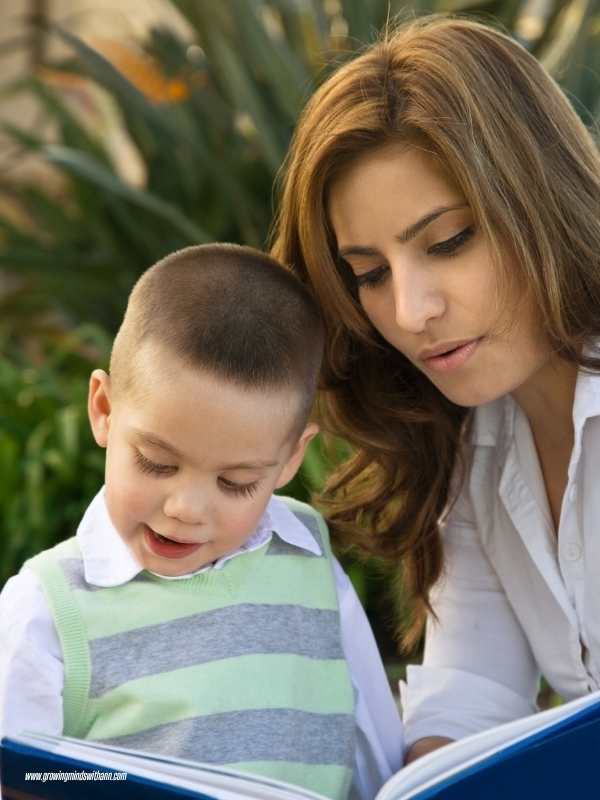
Books are a wonderful way to prepare your child for their first day of school. Reading stories about children starting school helps them understand what to expect and reassures them that it is normal to feel both excited and nervous.
As you read together, pause now and then to ask simple questions like, “How do you think the character felt?” or “What would you do in that situation?” These little conversations give your child a chance to share their own thoughts and feelings. You can also remind them that, just like the characters in the story, they will soon make new friends, meet kind teachers, and discover many exciting things to learn.
Reading a few school-themed books before the first day can turn uncertainty into curiosity and help your child look forward to this new adventure. If you would like more ideas for making reading time meaningful, our preschool reading tips article offers simple ways to build strong reading habits at home.
Shop for School Supplies Together
Shopping for school supplies is more than checking items off a list, it’s a fun way to build your child’s excitement for school. Let them help choose their backpack, lunch box, water bottle, or a few stationery items. Being involved in these small decisions helps them feel included and gives them something to look forward to.
As you shop, talk about why each item is important and how they will use it at school. It’s also a great opportunity to teach simple lessons about making thoughtful choices, sticking to a budget, and appreciating what they have. Children learn more from watching us than we often realize. If you’d like to learn more, be sure to read our article on Money Habits Your Child Is Learning From You Without You Realizing It.
Label Everything
It’s surprising how easily children’s belongings can get mixed up at school, especially during the first few weeks. Taking a few minutes to label your child’s backpack, lunch box, water bottle, sweater, and other personal items can save you both a lot of frustration.
Labels make it much easier for teachers to return misplaced items and help your child recognize their own belongings. As your child gets ready each day, encourage them to check that everything with their name on it is packed before leaving for school. This simple habit not only prevents lost items but also teaches responsibility and organization from an early age.
Help Your Child Build Social Skills and a Positive Mindset
Starting school means learning to share, take turns, listen to others, and make new friends. You can help your child build these skills at home through everyday activities like playing games, role-playing different situations, and encouraging polite words such as “please,” “thank you,” and “excuse me.”
It is also important to help your child develop a positive mindset. Remind them that it’s okay not to know everything on the first day. Encourage them to ask questions, try new things, and remember that making mistakes is part of learning and growing.
As your child adjusts to school, there will be moments when they need gentle guidance and patience. Responding with encouragement instead of harsh punishment helps build confidence and strengthens your relationship. If you are looking for practical ways to guide your child with kindness and consistency, don’t miss our article on Positive Discipline Techniques for Preschoolers.
Role-Play School at Home
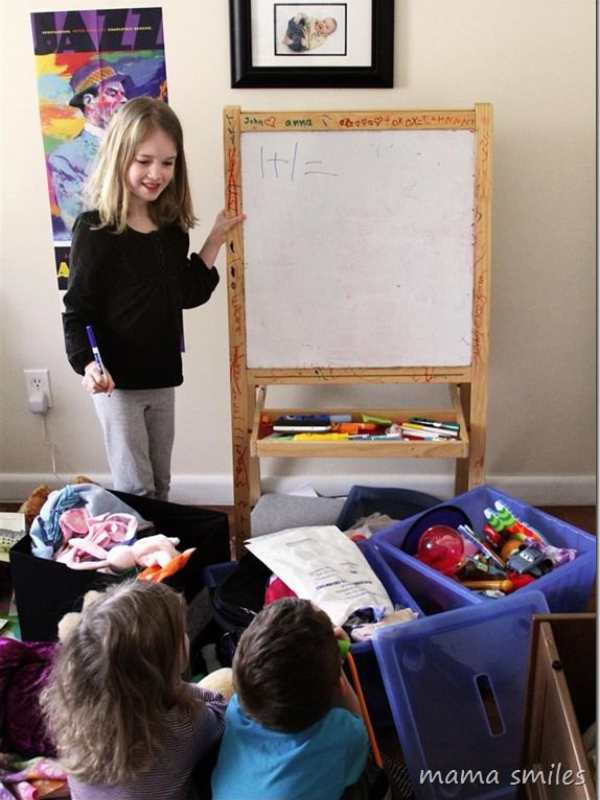
Children often learn best through play, so why not turn your home into a classroom for a little while? Pretend to be the teacher and let your child be the student, then switch roles and let them be the teacher too. Practice simple things like greeting the teacher, raising a hand to speak, lining up, sharing toys, and sitting quietly for story time.
Role-playing gives your child a chance to experience what school might be like in a fun and pressure-free way. It also helps them become familiar with classroom routines, making the real first day feel much less intimidating.
Most importantly, keep it lighthearted and enjoyable. The goal isn’t to make your child memorize school rules but to help them feel comfortable, confident, and excited about this new adventure.
Prepare for Separation Anxiety
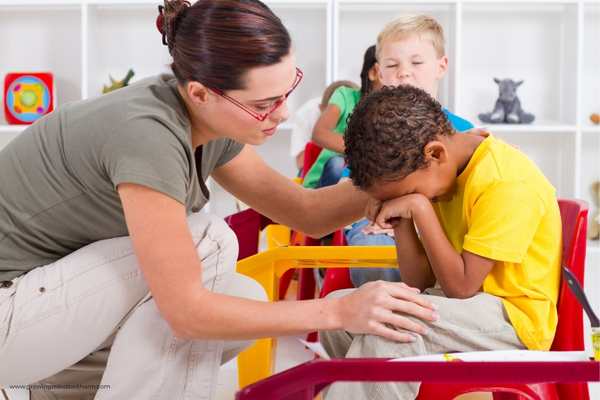
It’s completely normal for both children and parents to feel a little anxious about saying goodbye on the first day of school. Some children walk into the classroom with confidence, while others may cry or cling to a parent for a few minutes. In most cases, these feelings fade as children settle into their new routine.
You can make the transition easier by talking about what drop-off will look like before the first day. Keep your goodbye short, cheerful, and reassuring. Let your child know that you’ll be back to pick them up after school, then leave with confidence. Long, emotional goodbyes can make the separation more difficult.
If your child is naturally strong-willed or finds changes especially challenging, they may need a little extra patience and reassurance. Our guide on How to Parent a Strong-Willed Child Without Power Struggles shares practical strategies for handling these moments with calm and confidence.
Pack Everything the Night Before
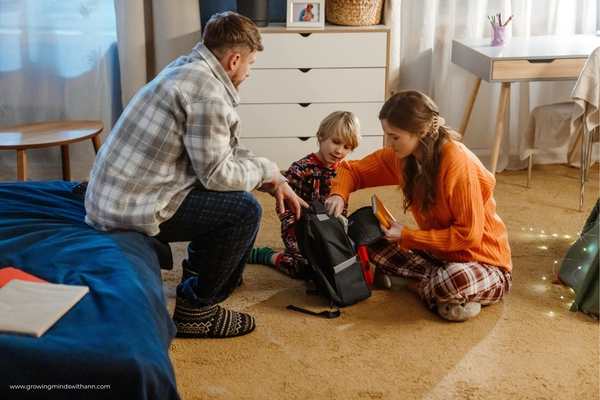
The morning of your child’s first day of school can feel exciting, but it can also be a little hectic. Packing everything the night before helps you avoid last-minute rushing and gives you more time to enjoy this special milestone with your child.
If your child is old enough, let them help pack their backpack. This not only builds excitement but also teaches responsibility and helps them become familiar with their school belongings.
First Day of School Checklist
☐ Backpack
☐ Lunch box (if needed)
☐ Water bottle
☐ Healthy snacks (if allowed)
☐ School supplies
☐ Homework folder or school documents
☐ School uniform or outfit
☐ Shoes and socks
☐ Jacket or sweater (if needed)
☐ Extra change of clothes (for younger children)
☐ Any required medication or special items
Before going to bed, do one final check to make sure everything is ready. Starting the day feeling organized will help both you and your child feel calmer, making the first morning of school a happy and memorable experience.
What to Do After School
Your child’s first day of school doesn’t end when they walk through the front door. How you respond afterward matters just as much.
- Welcome them with a smile and let them know you are happy to see them.
- Give them time to settle in before asking lots of questions.
- Use open-ended questions such as “What made you smile today?” or “What was your favorite activity?”
- Listen carefully without interrupting or rushing their answers.
- If they had a difficult day, acknowledge their feelings and offer comfort.
- Celebrate their effort, even if the day wasn’t perfect.
- Avoid comparing their experience with another child’s.
- End the day with encouragement and remind them tomorrow is another chance to learn and grow.
- Your calm support helps your child feel safe, valued, and ready for the next school day.
Frequently Asked Questions
1. How do I prepare my child emotionally for the first day of school?
Prepare your child emotionally by talking positively about school, reading books about starting school, and listening to any fears or questions they may have. Visit the school beforehand if possible, establish a routine early, and reassure them that it’s normal to feel a little nervous. Most importantly, remind your child that you’ll be there to support them every step of the way.
2. What should a child know before starting kindergarten?
Before starting kindergarten, your child should be aware of basic self-help skills like using the bathroom independently, washing their hands, putting on their shoes, and following simple instructions. They don’t need to know everything academically. Feeling confident, being able to communicate their needs, and showing kindness to others are just as important for a successful start.
3. How can I reduce first-day school anxiety?
You can reduce first-day school anxiety by preparing your child ahead of time, talking positively about school, and establishing a familiar routine before classes begin. Visit the school if possible, answer their questions honestly, and keep your goodbye short and reassuring.
4. What should I pack for my child’s first day of school?
Pack the essentials your child will need, including a backpack, water bottle, lunch box or snacks if required, school supplies, and any school documents. Younger children may also need a change of clothes, while some schools may require medication or other personal items. Packing everything the night before helps make the first morning calmer and less stressful.
5. How do I help my child make friends at school?
Help your child make friends by encouraging them to smile, introduce themselves, share, and take turns during play. Practice these social skills at home through role-playing and everyday interactions. Remind your child that friendships take time to grow, and reassure them that it’s okay if they don’t make friends on the very first day.
Conclusion
How to prepare your child for their first day of school doesn’t have to be overwhelming. With a little planning, patience, and encouragement, you can help them feel confident, excited, and ready for this new chapter. Remember, every child adjusts at their own pace. Your love, support, and reassurance will make all the difference as they take this important first step in their learning journey.