Back-to-school organization hacks for moms are about making life feel a little less overwhelming during school mornings. If you have ever found yourself searching for a missing shoe five minutes before the school run, scrambling to pack lunches, or realizing the permission slip is still sitting on the kitchen counter, you are not alone. Back-to-school season can be chaotic, but with a few simple organization tricks, you can spend less time stressing and more time enjoying the moments that matter with your family.
Getting organized involves creating routines that work for your family and make everyday tasks easier for you. If you are also looking for ways to create smoother mornings, be sure to read peaceful morning routine every mom needs, where you will find simple habits that pair perfectly with the organization tips in this guide.
As you prepare for the new school year, it’s also important to help your child feel confident and excited about the transition. Before the first day arrives, take a look at how to prepare your child for their first day of school for practical tips that can ease first-day nerves while you get everything organized at home.
In this post, you will find practical back-to-school organization hacks that are easy to put into practice, even with a busy schedule. Whether you have one child or several children, these realistic tips will help you reduce stress, save time, and create routines that make the entire school year feel more manageable.
Importance of Back-to-School Organization
- Reduces morning stress and last-minute rushing.
- Helps children develop responsibility and independence.
- Keeps school supplies and important items easy to find.
- Prevents forgotten homework, lunches, and permission slips.
- Saves time during busy weekdays.
- Makes school mornings smoother and more predictable.
- Encourages healthy daily routines for the whole family.
- Reduces unnecessary spending on lost or duplicate supplies.
- Helps parents stay on top of school schedules and events.
- Gives moms more time to focus on their family and themselves.
- Makes the entire school year more manageable and enjoyable.

Now let’s dive into the back-to-school organization hacks properly
Set Up a Family Command Center That Keeps Everyone on Track
Creating a family command center is one of the easiest ways to keep the school year organized. Think of it as your family’s go-to spot for everything related to school and daily life. Instead of searching for permission slips, wondering or trying to remember tomorrow’s school event, you will have everything in one place.
You can use a small section of your kitchen wall, a whiteboard, or even a simple planner can work as well. The goal is to create a system that your family will actually use every day.
Once everyone gets into the habit of checking it, you will spend less time reminding your kids about upcoming activities. It also encourages children to take responsibility by checking schedules and knowing what to expect.
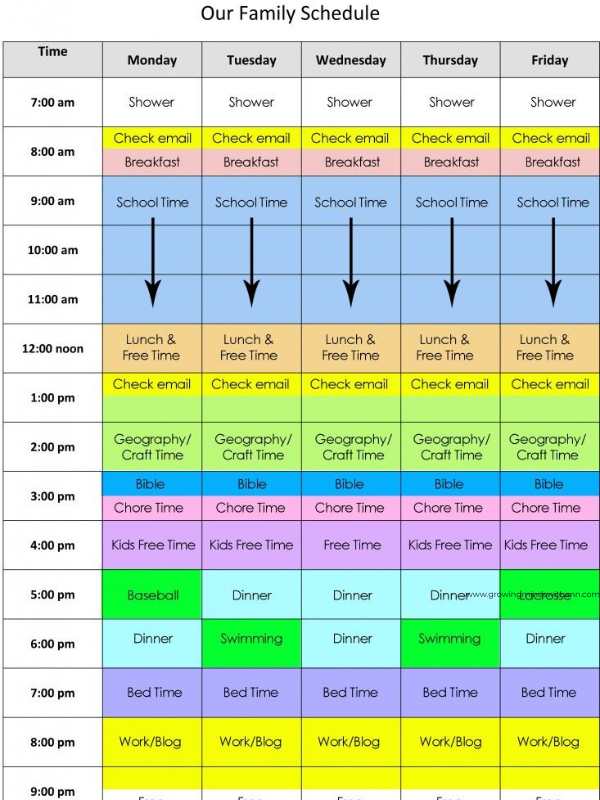
Below are the things you can include in your family command center:
Family Calendar
A family calendar helps everyone stay on the same page. Write down school holidays, picture days, sports practices, appointments, birthdays, and other important events. Whether you prefer a wall calendar or a digital one, keeping everything in one place makes planning much easier.
Weekly Schedule
Display a simple weekly schedule that shows your family’s regular routine. Include school drop-offs, pickups, extracurricular activities, chores, and family time. When everyone knows what’s coming, daily life feels much more manageable.
Important School Papers
Instead of letting school papers pile up on the every corner of the house, create one designated spot for them. Use a folder, tray, or wall organizer for permission slips, homework, newsletters, and other important documents. This simple habit can save you from last-minute panic when something needs to be signed.
Meal Plan and Grocery List
Adding a weekly meal plan to your command center takes away the daily stress of deciding what to cook. Keep a grocery list nearby so family members can quickly add items when supplies run low.
Set Up Back-To-School Station
One of the biggest time-wasters on busy school mornings is looking for things that don’t have a designated place. One child can’t find their backpack, another is searching for a shoe, and somehow everyone’s water bottle has disappeared. It happens in almost every home.
Before school starts, spend a little time creating a home for the items your family uses every day. When everyone knows exactly where to put things, mornings become much less stressful, and your kids can even help keep everything organized.
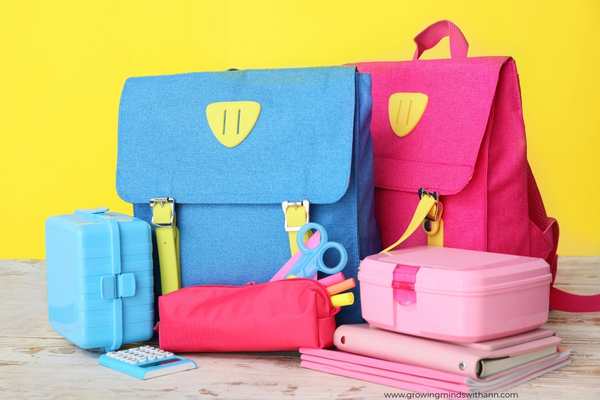
Create a Backpack Drop Zone
Choose a convenient area where backpacks should be placed as soon as everyone gets home. This simple habit saves you from hunting for school bags when it’s time to leave the next morning.
Keep Shoes Together
Instead of having shoes scattered throughout the house, use a small shoe rack, basket, or storage bin near your backpack station. It makes getting out the door much faster and cuts down on morning frustration.
Store Lunch Boxes and Water Bottles in One Place
Dedicate one cabinet or shelf to lunch boxes, reusable containers, and water bottles. Having them together makes packing lunches quicker, especially on busy mornings.
Create a Charging Spot for School Devices
If your children use tablets, laptops, or other devices for school, set up one charging station where everything stays overnight. That way, you won’t have to deal with dead batteries or missing chargers when everyone is trying to leave the house.
Organize School Supplies Before the First Day
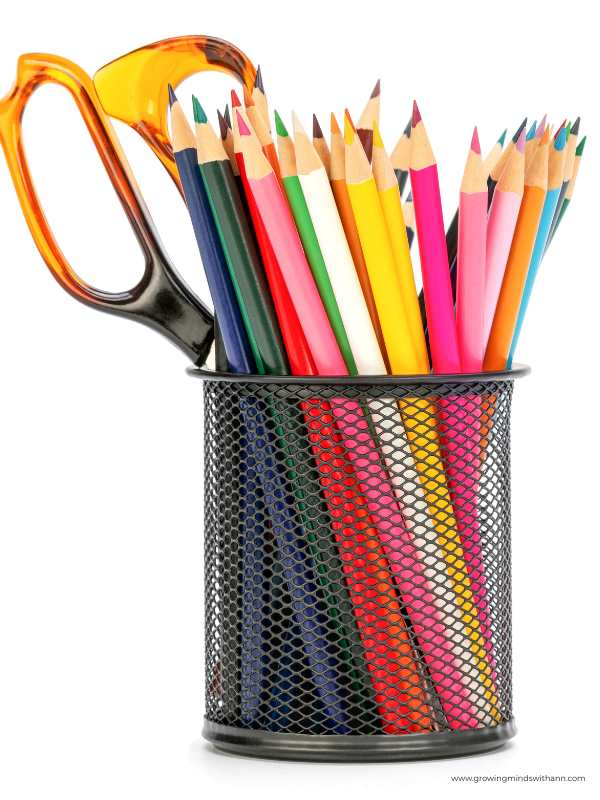
There is nothing worse than realizing your child needs a glue stick or a pack of crayons the night before school starts, only to discover you have no idea where they are. Taking a little time to organize school supplies before the first day can save you from those last-minute shopping trips and unnecessary stress.
As you unpack everything, involve your children if they are old enough. It helps them learn where their supplies belong and gives them a sense of responsibility from the very beginning of the school year.
Label Everything
If your child is taking supplies to school, label as many items as possible. Write their name on notebooks, folders, lunch boxes, water bottles, pencil cases, and even jackets. This makes it much easier for lost items to find their way back home.
Store Extra Supplies in One Place
Don’t send every pencil, notebook, or glue stick to school at once. Keep extra supplies neatly stored in a labeled container or drawer at home. When they runs out or gets lost, you will already have a replacement ready instead of making an emergency trip to the store.
Create Individual Supply Kits
If you have more than one child, consider giving each child their own supply container or basket. Keeping their belongings separate reduces mix-ups and makes it easier for everyone to find what they need without asking for help.
Check Supplies Every Month
School supplies don’t last forever. Set aside a few minutes once a month to check what’s running low, sharpen pencils, replace worn-out items, and restock anything your child needs. Staying on top of it throughout the school year is much easier than waiting until everything runs out at once.
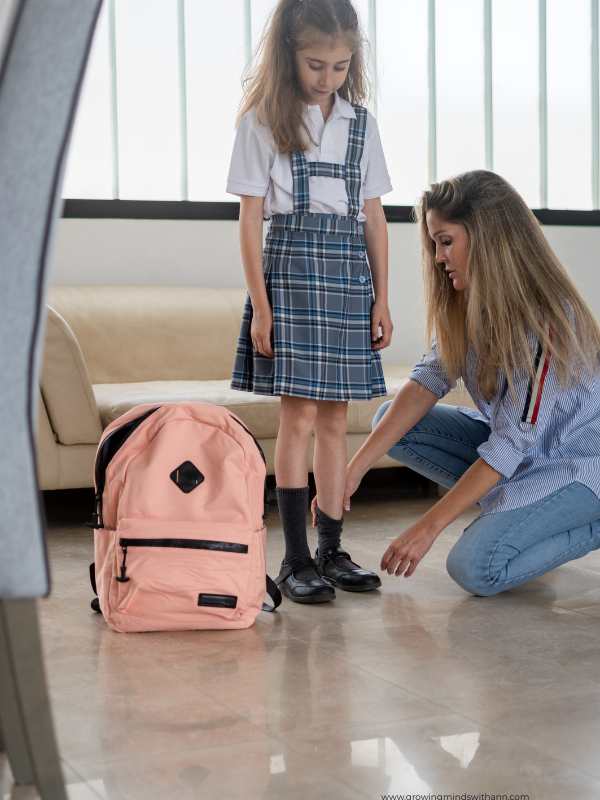
Plan School Outfits for the Week
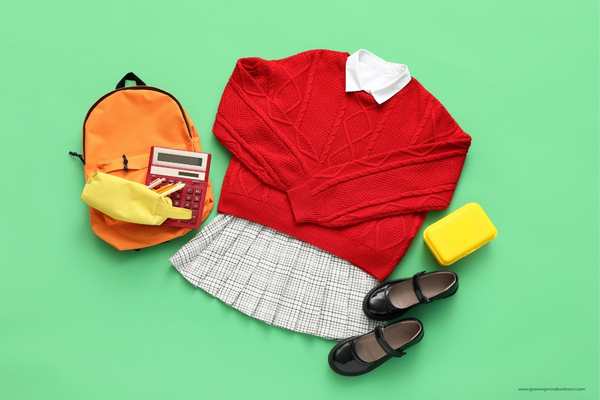
If getting dressed every morning feels like a daily debate in your house, planning school outfits ahead of time can be a game changer. It only takes a few minutes each week, but it saves time, reduces stress, and helps mornings run much more smoothly.
Whether your child wears a school uniform or regular clothes. It’s a great opportunity to let your child have a say in what they will wear, which can help avoid last-minute disagreements.
Pick Outfits Every Weekend
Set aside a few minutes on Sunday to choose outfits for the entire school week. Check the weather forecast and make sure everything is clean, comfortable, and ready to wear. This simple habit can make weekday mornings feel much more relaxed.
Organize Clothes by Day
If you have the space, hang each outfit together or place it in a labeled organizer with the days of the week. Seeing everything prepared ahead of time makes it easy for your child to get dressed independently, especially if they’re in elementary school. You can see practical ways to raise confident and independent kids for other insights on helping your young ones to be independent.
Keep a Few Backup Outfits Ready
Prepare for uncertainties such as spills, unexpected weather changes. Having a couple of clean backup outfits ready to grab can save the day without adding extra stress to your morning.
Simplify School Lunch Preparation

Packing school lunches every single day can quickly become one of the most time-consuming parts of the school routine. That is the reason I love this back-to-school-organization hack. A little planning can make lunchtime much less stressful.
You don’t have to prepare elaborate meals every day. Keeping things simple, balanced, and kid-friendly is often the easiest way to stay consistent throughout the school year.
Plan Lunches for the Week
Instead of deciding what to pack every morning, create a simple lunch plan for the week. Knowing what’s on the menu helps you shop more efficiently and takes the guesswork out of busy mornings.
Prep Ingredients Ahead of Time
Wash fruits, cut vegetables, portion snacks, or prepare sandwich fillings over the weekend or the night before. Having ingredients ready to go means you can put together a healthy lunch in just a few minutes.
Keep Grab-and-Go Snacks Ready
Store individually portioned snacks like crackers, popcorn, dried fruit, or cheese sticks in an easy-to-reach basket or container. This makes packing lunches quicker and gives your children healthy options when they need an afternoon snack after school.
Establish an After-School Routine
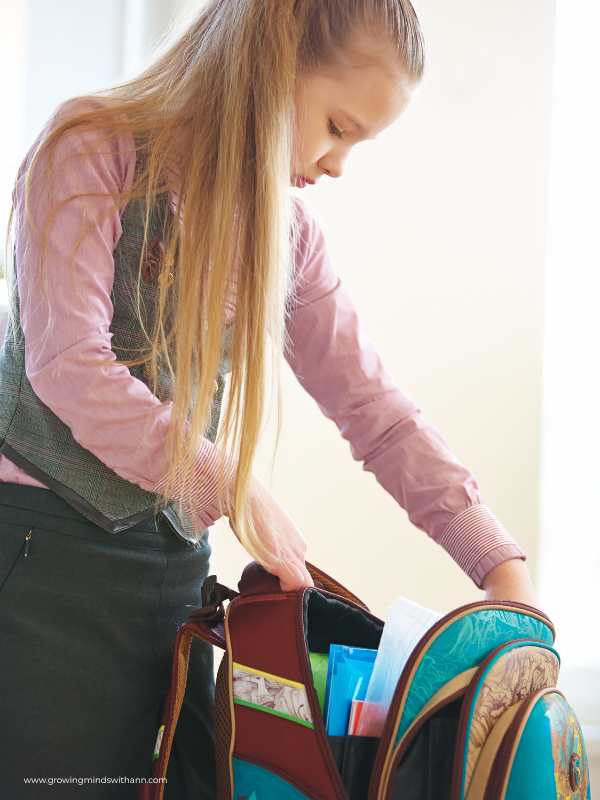
The school day doesn’t end when your child walks through the front door. Having a simple after-school routine helps everyone know what comes next. Don’t be strict on your routine, just a few consistent habits make evenings feel calmer and more organized.
Unpack Backpacks Right Away
Encourage your child to empty their backpack as soon as they get home. Take out homework, lunch boxes, water bottles, and any notes from school. This gives you plenty of time to review important information instead of discovering it the next morning.
Take a Short Break Before Homework
After spending hours learning at school, children often need a little time to relax. Let them have a healthy snack, drink some water, and unwind for a few minutes before jumping into homework. A short break can help them return feeling more focused.
Set a Consistent Homework Time
Choose a regular time each day for homework and try to stick with it. A predictable routine helps children know what to expect and reduces arguments about when it’s time to get started. If you have a preschooler who is yet to start reading, you will definitely need preschool reading tips.
Prepare for the Next School Day
Before the evening ends, refill water bottles, repack backpacks, sign any school forms, and make sure homework is safely tucked inside. Spending just a few minutes getting ready for tomorrow can make the next morning feel much less rushed.
Make Time to Connect as a Family
Routines aren’t only about staying organized—they are also about creating space to reconnect after a busy day. Talk about what your child learned, celebrate their small wins, and listen to any concerns they may have. If you have more than one child, consider adding a fun family activity a few evenings each week. Our guide on fun sibling bonding activities to reduce sibling rivalry at home is filled with simple ideas that help siblings build stronger relationships while making the most of their time together.
Use Checklists to Stay on Track
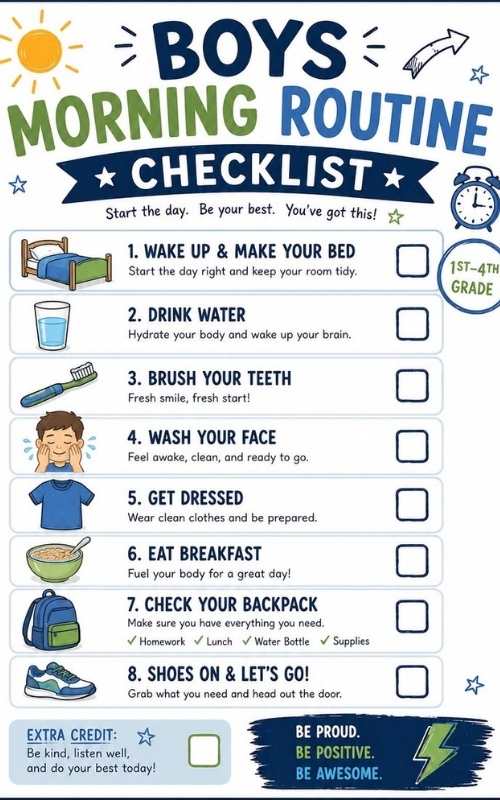
Checklist takes off the pressure from you and helps everyone know exactly what needs to be done. The checklists are not just for you alone, but also for your kids . They are a great way to teach children responsibility and independence. As they get older, they will start checking off tasks on their own, which means fewer reminders from you.
Create a Morning Checklist
A simple morning checklist can help your child get ready without constant reminders. Include tasks like making the bed, brushing teeth, getting dressed, eating breakfast, packing their backpack, and putting on their shoes. Hang it somewhere they can easily see it before leaving for school.
Make a Bedtime Checklist
A smooth morning usually starts the night before. Create a bedtime checklist with tasks such as laying out clothes, packing homework, placing the backpack by the door, and getting lunch items ready.
Use a Weekly School Checklist
Some tasks don’t happen every day, which makes them easier to forget. A weekly checklist can include things like returning library books, signing permission slips, washing school uniforms, restocking supplies, or checking the family calendar for upcoming events.
Remember, your checklists don’t have to be fancy. A handwritten note on the fridge, a printable checklist, or a simple whiteboard can work just as well.
As you’re building routines that help your family stay organized, don’t forget to take care of yourself too. Some days won’t go exactly as planned, and that’s okay. Reading 50 Affirmations that strengthen mom’s daily can be a gentle reminder to give yourself grace and celebrate the small wins along the way.
Declutter Regularly
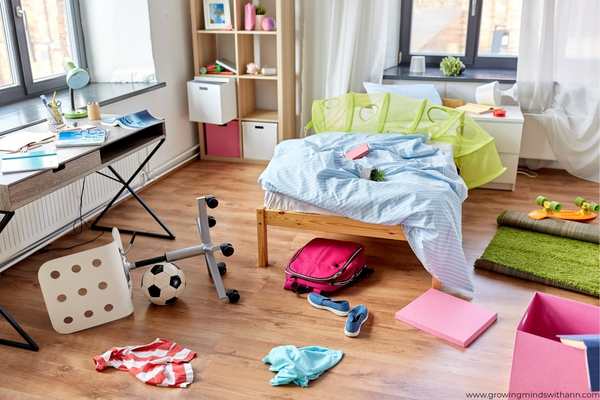
No matter how organized your home is at the beginning of the school year, clutter has a way of creeping back in. Papers begin to pile up, backpacks fill with old worksheets, and school supplies seem to disappear under a mountain of random items. That is why regular decluttering is one of the most important back-to-school organization hacks.
Clean Out Backpacks Every Week
Set aside a few minutes each week to go through your child’s backpack. Throw away old papers, remove food wrappers, return library books, and make sure homework and important notes don’t get buried at the bottom of the bag. It’s a simple habit that can save you from unpleasant surprises later.
Sort Through School Papers
Not every worksheet needs to be kept forever. Create separate folders for papers you want to save, documents that need your attention, and papers that can be recycled. Keeping only what matters helps prevent stacks of paper from taking over your kitchen counter.
Donate Clothes That No Longer Fit
Children grow quickly, and before you know it, last year’s school clothes no longer fit. Go through closets every few months and donate or pass along items your child has outgrown. This creates more space and makes it easier to find clothes they can actually wear.
Refresh Your School Supply Station
Take a quick look at your supply drawer or storage bin every month. Replace used-up items, sharpen pencils, throw away broken crayons, and reorganize anything that is out of place. Keeping supplies tidy means you will always know what you have before buying more.
If you ever find yourself feeling overwhelmed by the endless cycle of chores and responsibilities, take a moment to read how to slow down and be mindful as a mom. It offers gentle reminders that caring for your home is important, but caring for yourself is essential.
Teach Kids Age-Appropriate Responsibilities
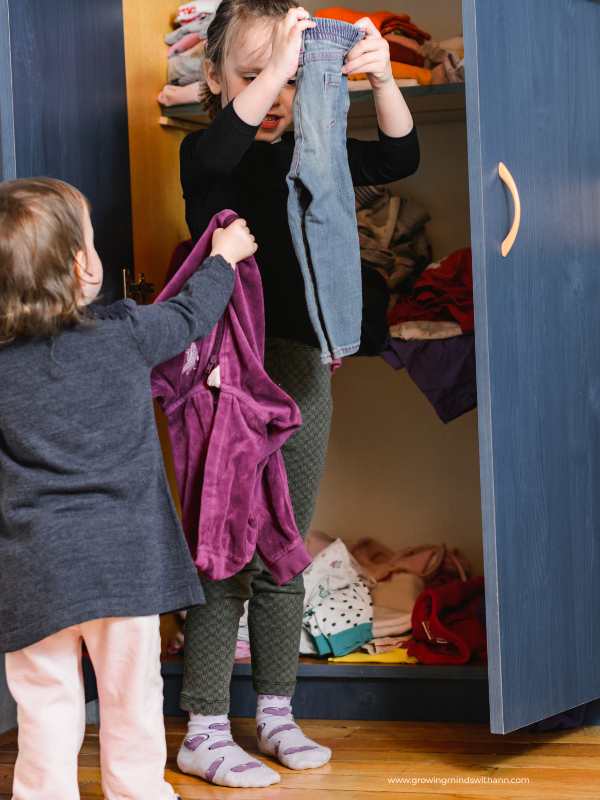
One of the best back-to-school organization hacks is not doing everything yourself, rather teaching your children to do what they are capable of. While it may feel faster to handle every task on your own, giving your kids age-appropriate responsibilities helps them become more confident, independent, and responsible over time.
Start small and be patient. Your child may need reminders at first, but with consistency, these simple tasks will soon become part of their daily routine. As they learn to take responsibility for their own belongings, you will also find yourself carrying a little less of the mental load.
Preschoolers
Even young children can help with simple tasks. Encourage them to put their backpack in its designated spot, place their shoes on the rack, choose between two outfits, and put their lunch box on the kitchen counter after school. These small responsibilities help build good habits from an early age.
Elementary School Children
As children get older, they can take on a little more. They can pack most of their backpack, refill their water bottle, organize their homework folder, lay out their clothes for the next day, and check the family calendar for upcoming school activities. Giving them ownership over these tasks teaches responsibility while building their confidence.
Tweens
Tweens are usually ready to manage much more of their school routine. They can pack their own lunch, keep track of assignments, organize school supplies, set alarms, and prepare everything they need before bedtime. They may not get it right every time, but allowing them to learn from small mistakes helps prepare them for greater independence in the future.
As you encourage your children to become more independent, don’t forget to be kind to yourself too. You don’t have to carry every responsibility alone. If you are looking for more ways to manage your time and responsibilities without feeling overwhelmed, be sure to read 12 Practical ways to stay productive as a stay-at-home mom. It shares realistic strategies for creating a balanced routine while still making time for what matters most.
Digital Back-To-School Organization Hacks for Busy Moms

Technology can make managing the school year much easier. A few simple digital tools can help you stay organized, keep track of important dates, and reduce the mental load of juggling family responsibilities.
- Use calendar apps to keep track of school events, appointments, extracurricular activities, and family schedules.
- Set reminder alerts for picture day, school fees, library book returns, permission slips, and parent-teacher conferences.
- Save digital copies of important school documents such as schedules, report cards, medical forms, and permission slips.
- Keep a shared grocery list that family members can update whenever supplies are running low.
- Create recurring reminders for weekly tasks like checking backpacks, washing uniforms, planning lunches, and restocking school supplies.
- Use a meal planning app to organize breakfasts, lunches, dinners, and your weekly shopping list.
- Store your child’s school photos, artwork, certificates, and special memories in a shared digital photo album.
- Use a notes app to keep track of teacher contact information, classroom supply lists, and important school passwords in one place.
- Turn on automatic bill reminders so you never miss school-related payments or activity fees.
- Sync your calendar across all your devices so your schedule is always within reach, whether you are at home or on the go.
Common Back-to-School Organization Mistakes to Avoid
Here are some common mistakes to watch out for as you settle into the new school year.
- Waiting until the last minute to buy school supplies or prepare for the first day.
- Trying to do everything yourself instead of giving your children age-appropriate responsibilities.
- Not preparing backpacks, lunches, and outfits the night before.
- Letting school papers pile up instead of sorting them regularly..
- Creating complicated organization systems that are difficult to maintain.
- Forgetting to update the family calendar with school events and important dates.
- Ignoring clutter until it becomes overwhelming.
- Not having a designated place for backpacks, shoes, lunch boxes, and school supplies.
- Skipping weekly check-ins to restock supplies and organize school essentials.
- Comparing your family’s routine to what you see on social media instead of focusing on what works for your home.
- Expecting every day to go perfectly. Some mornings will still be messy, and that’s completely normal.
Frequently Asked Questions
When should I start organizing for back to school?
You can start two to four weeks before school begins. This gives you enough time to shop for supplies, organize your home, establish routines, and prepare your child without feeling rushed.
How can I make school mornings less stressful?
Preparing the night before is one of the best ways to reduce morning stress. Pack backpacks, lay out school clothes, prepare lunches, and review the next day’s schedule before bedtime. Creating a consistent morning routine also helps everyone know what to expect.
How do I keep my child organized during the school year?
Start by giving your child simple, age-appropriate responsibilities. Teach them where to keep their school supplies, encourage them to unpack their backpack after school, and use checklists to help them remember daily tasks. Consistency is more important than perfection.
What is the best way to organize school papers?
Create one designated place for school papers, such as a folder, file organizer, or tray. Go through the papers regularly, keep only the important ones, and recycle anything you no longer need. This prevents paperwork from piling up around the house.
What are the must-have organization tools for busy moms?
You don’t need expensive products to stay organized. A family calendar, a whiteboard, storage bins, labels, folders, a planner, and a few baskets for school essentials are often all you need to keep your home running smoothly.
What if I have more than one child?
Managing multiple school schedules can feel overwhelming, but having simple systems in place makes a big difference. Use a shared family calendar, give each child their own storage space for school items, and encourage them to take responsibility for age-appropriate tasks. These small habits help everyone stay organized while reducing your daily workload.
Conclusion
Back-to-school season doesn’t have to feel overwhelming. By putting a few simple organization systems in place, you can reduce daily stress, save time, and create a smoother routine for your entire family. Remember, you don’t have to implement every tip at once. Start with one or two back-to-school organization hacks that fit your family’s needs, then build from there as those habits become part of your routine.
Most importantly, give yourself grace. There will still be busy mornings and unexpected challenges, and that is okay. The goal is to create a school year that feels calmer, more manageable, and filled with more joyful moments together.