
Help your child transition smoothly into the new school year with these back to school sleeping schedule for kids.
As the new school year gets closer, one of the best things you can do for your child is to gradually reset their sleep schedule. During summer break, many kids naturally get used to sleeping late because there are no early school mornings. Though this is completely normal, it can make the transition back to school much harder if those habits aren’t adjusted ahead of time.
A sudden switch from late nights to early mornings often leaves children feeling tired, cranky, and overwhelmed. Some may struggle to wake up, while others become emotional, complain about going to school, or even throw tantrums.
This can be especially challenging if you have a strong-willed child who finds sudden changes difficult. Instead of waiting until the night before school starts, it’s much easier to make small adjustments over a couple of weeks. If you are parenting a child who resists changes in routine, you may also find our guide on how to parent a strong-willed child without power struggles helpful.
You don’t need to stress yourself about getting your child back on a healthy sleep routine. With a little planning, consistency, and patience, you can help them adjust gradually so they wake up feeling rested and ready to learn.
In this post, you will find practical tips for creating a back to school sleeping schedule for kids, along with simple bedtime routines and helpful strategies to make the first days of school much smoother for the whole family.
Benefits of a Back to School Sleeping Schedule for Kids

A consistent back to school sleeping schedule for kids does much more than help your child get to bed on time. It prepares their body and mind for the school routine, making the transition from summer break much smoother.
Here are some of the benefits of creating a good back to school sleeping schedule for your kids:
1. Kids Wake Up More Easily
When children go to bed and wake up at the same time each day, their bodies will naturally adjust. This makes early school mornings less stressful and without much struggle.
2. Improves Focus and Learning
A well-rested child is better able to pay attention, remember new information, and participate in classroom activities. Getting enough sleep also sets them up for a more successful school day.
3. Reduces Morning Stress
No parent enjoys rushing a sleepy child out the door. A regular sleep schedule makes your mornings feel calmer, a gives everyone more time to get ready without unnecessary frustration.
4. Supports Better Behavior
Tired children are often more emotional and easily upset. When your child gets enough sleep, it can help them to reduce irritability, whining, and meltdowns while making it easier for them to manage their feelings.
5. Boosts Physical Health
Sleep gives a child’s body time to grow, recover, and strengthen the immune system. Children who get enough rest are often healthier and have more energy throughout the day.
6. Builds Healthy Habits for the School Year
Starting a consistent bedtime routine before school begins makes it easier to maintain healthy sleep habits throughout the year. The benefits of having a good sleeping schedule in place for your kids last longer than the back-to-school season.
7. Gives Parents More Peaceful Evenings
A predictable bedtime routine doesn’t just help the kids, it helps parents too. When your kids maintain the sleeping schedule, you will have time to relax, prepare for the next day, or simply enjoy a quiet moment before bedtime. You also need to enjoy peaceful mornings, you can see peaceful morning routines every mom needs for how you can achieve that.
How to Know Your Child’s Sleep Schedule Needs Resetting

If you are not sure whether it’s time to adjust your child’s bedtime, look out for these signs. It will give you an insight on when to start resetting your child’s sleep schedule before school begins.
1. Your child Struggles to Wake Up in the Morning
If your child needs to be called several times before getting out of bed or seems exhausted every morning. You need to change the child’s bedtime before it might be too late for the upcoming school routine.
2. Stay Up Late Without Feeling Sleepy
Many children gradually get used to later bedtimes during vacation. If your child is still wide awake long after their usual bedtime, it’s a good sign their body clock has shifted.
3. Sleep Late Whenever They Can
Does your child sleep until mid-morning or even close to noon if you don’t wake them? While catching up on sleep occasionally is normal, consistently sleeping late can make early school mornings much harder.
4. Seem Moody or Easily Frustrated
Have you child ever cried or felt moody unnecessarily, it might be the child is not getting enough sleep. Children who couldn’t get enough quality sleep are often more irritable, emotional, or impatient. They may cry more easily, argue over small things, or have frequent meltdowns throughout the day.
5. Have Trouble Paying Attention
If your child seems forgetful, easily distracted, or struggles to focus during simple activities, poor sleep could be one of the reasons.
6. Bedtime Changes Every Night
An inconsistent bedtime makes it difficult for your child’s internal clock to know when it’s time to sleep. One night they are asleep at 8:30 pm, the next day at 11:00 pm.
7. Seem Tired During the Day
Yawning often, lying around without much energy, or falling asleep during quiet activities can all be signs that your child isn’t getting enough sleep.
If you recognize several of these signs, a few small changes each day can gradually reset your child’s sleep routine before the first day of school. The earlier you start, the smoother the transition will be for both you and your child.
When Is the Right Time to Start Adjusting Your Child’s Sleep Schedule?

Many parents don’t think about bedtime until the night before school starts. Unfortunately, this often leads to difficult transition. A child who has spent weeks going to bed late won’t suddenly feel sleepy at 8:00 p.m., no matter how early they need to wake up the next morning.
The best time to start adjusting your child’s sleep schedule is about two to three weeks before the first day of school. This gives your child enough time to gradually adapt without feeling like their entire routine has changed overnight.
To achieve a good back to school sleeping schedule for kids, do the following:
1. Start Small Instead of Making Big Changes
Rather than moving bedtime an hour or two earlier all at once, try adjusting it by 15 to 20 minutes every few days. Small changes are easier for children to accept and help their bodies naturally adjust to the new routine.
2. Follow a Consistent Wake-Up Time
It’s tempting to let children sleep in during the final weeks of summer, but waking them at roughly the same time each morning helps reset their internal clock much faster. A consistent morning routine is just as important as an early bedtime.
3. Give Your Child Time to Adjust Emotionally
Going back to school doesn’t require only a physical adjustment, it also need emotional one too. Some children feel excited, while others feel nervous about new teachers, classmates, or routines. A gradual bedtime routine gives them time to prepare emotionally instead of feeling rushed and overwhelmed.
4. Practice the School Routine Before the First Day
A few days before school starts, try following the same bedtime, wake-up time, breakfast schedule, and morning routine you will use during the school year. It helps children know what to expect and builds confidence before that first school morning. You can also read our guide on Back to School Organization Hacks for Moms to make those mornings even smoother.
5. Don’t Worry If You’re Starting Late
If school starts in just a few days, don’t panic. Begin making small adjustments today rather than trying to change everything in one night. Even a few earlier bedtimes can make a noticeable difference in how your child feels on the first day of school.
How Long Do Kids Need to Sleep by Age?

Every child is different, but one thing is true for all children, sleep is essential for healthy growth, learning, and emotional well-being. As kids grow, the amount of sleep they need changes. Knowing the recommended sleep hours for your child’s age can help you to create a good back to school sleeping schedule for kids that leaves them feeling refreshed and ready to learn.
1. Preschoolers (3–5 Years)
Recommended sleep: 10–13 hours per day (including naps)
Preschoolers are full of energy, curiosity, and imagination, but they still need plenty of sleep to support their rapid growth and development. Some children in this age group may still take an afternoon nap, while others have outgrown it. If your preschooler no longer naps, an earlier bedtime becomes even more important.
2. School-Age Children (6–12 Years)
Recommended sleep: 9–12 hours per night
Elementary school children need enough sleep to stay focused, retain what they learn, and manage their emotions throughout the day. During the school year, a consistent bedtime and wake-up time can make homework, learning, and busy mornings much easier for both children and parents.
3. Teenagers (13–18 Years)
Recommended sleep: 8–10 hours per night
Teenagers naturally experience changes in their body clock, making it harder for them to fall asleep early. At the same time, early school start times often mean they don’t get enough rest. Encouraging healthy bedtime habits and limiting screen time before bed can help teens get the sleep they need to stay alert and perform well in school.
Remember That Every Child Is Unique
These sleep recommendations are helpful guidelines, not strict rules. Some children naturally need a little more sleep, while others do well with slightly less. The most important thing is to pay attention to how your child feels during the day. If they wake up easily, stay alert, have enough energy, and are generally in a good mood, they are likely getting the rest they need.
How to Create a Back to School Sleeping Schedule for Kids
Resetting your child’s sleep schedule doesn’t have to be overwhelming. You cannot achieve a perfect routine overnight, small, consistent changes can help your child feel rested and confident when school begins.
Here are some simple ways to make the transition easier:
1. Move Bedtime Earlier Gradually
If your child has been going to bed much later during summer break, avoid making a drastic change all at once. Instead, move bedtime earlier by about 15 to 20 minutes every few days until you reach their school-night bedtime. This gradual approach is much easier for children to adjust to.
2. Wake Them Up at the Same Time Every Morning
A consistent wake-up time is just as important as a consistent bedtime. Even if your child doesn’t fall asleep right away, waking up at the same time each morning helps reset their body clock. Try to keep the wake-up time fairly consistent, even on weekends, so they don’t have to start over every Monday.
3. Create a Calm Bedtime Routine
Children thrive on routines because they know what to expect. A relaxing bedtime routine signals that it’s time to wind down.
Your routine might include:
- Taking a warm bath.
- Brushing teeth.
- Putting on pajamas.
- Reading a bedtime story.
- Saying prayers or talking about the best part of the day.
- Giving hugs and kisses before lights out.
These simple moments help children feel safe, loved, and ready for sleep.
4. Turn Off Screens Before Bed
Phones, tablets, televisions, and video games can make it harder for children to fall asleep because the blue light keeps their brains alert. Aim to turn off screens at least one hour before bedtime. Instead, encourage quiet activities like reading, drawing, or working on simple crafts. If you are looking for fun alternatives, our Sun Catcher Crafts for Kids or Ice Cream Craft Ideas for Kids that are Cool and Creative are great screen-free activities that children can enjoy earlier in the evening.
5. Encourage Active Play During the Day
Children who spend time running, jumping, biking, or playing outside often sleep better at night. Physical activity helps burn off energy and supports a healthier sleep routine. Just try to avoid vigorous exercise right before bedtime.
6. Avoid Sugary Snacks and Caffeinated Drinks at Night
Chocolate, soda, energy drinks, and sugary treats close to bedtime can make it harder for children to settle down. If your child wants a bedtime snack, choose something light and nutritious instead.
7. Make the Bedroom Comfortable for Sleep
A quiet, cool, and dark room helps children fall asleep more easily. Soft lighting, comfortable bedding, and minimizing distractions can make bedtime feel peaceful and inviting.
8. Be Consistent, Even on Weekends
It’s okay to enjoy a little flexibility on weekends, but try not to let bedtime and wake-up time vary by more than an hour. Keeping a similar schedule helps your child’s body stay in rhythm, and make Monday mornings much easier.
Sample of Back to School Sleeping Schedule for Kids
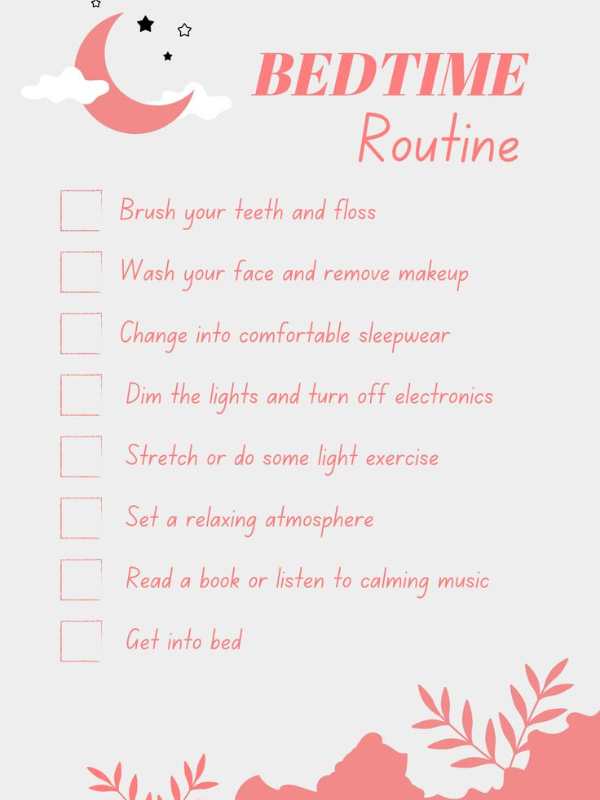
There is no one-size-fits-all bedtime schedule because every family’s activities are different. The best sleep schedule is one that gives your child enough rest while fitting your family’s daily routine and school start time.
Use these sample schedules as a guide and adjust them to meet your child’s needs.
1. Preschoolers (3–5 Years)
If your preschooler needs to wake up around 7:00 a.m., a simple evening routine could look like this:
- 6:30 p.m. – Dinner
- 7:00 p.m. – Bath time
- 7:20 p.m. – Brush teeth and put on pajamas
- 7:30 p.m. – Read a bedtime story or say prayers together
- 7:45 p.m. – Lights out
- 7:00 a.m. – Wake up
Many preschoolers still take an afternoon nap. If your child no longer naps, you may discover they naturally fall asleep a little earlier. If your child is starting school for the first time, you can find helpful ideas on How to Prepare your Child for their First Day of School.
2. Elementary School Kids (6–12 Years)
Children in elementary school often do best with a predictable evening routine.
Here’s an example:
- 6:30 p.m. – Dinner
- 7:00 p.m. – Finish homework or prepare school bag
- 7:30 p.m. – Quiet family time, reading, or drawing
- 8:00 p.m. – Brush teeth and get ready for bed
- 8:15 p.m. – Bedtime story or quiet conversation
- 8:30 p.m. – Lights out
- 6:45–7:00 a.m. – Wake up
Preparing backpacks and clothes the night before can make mornings much less stressful. You can find more helpful ideas in our Back-to-School Organization Hacks for Moms.
3. Teenagers (13–18 Years)
Teenagers often prefer staying up later, but they still need plenty of sleep to stay focused during the school day.
A sample routine might look like this:
- 7:00 p.m. – Dinner
- 7:30 p.m. – Homework or study time
- 9:00 p.m. – Relax with a book, journal, or calming music
- 9:30 p.m. – Put away phones and other screens
- 10:00 p.m. – Lights out
- 6:30–7:00 a.m. – Wake up
What to Do If Your Child Has Trouble Falling Asleep
Even with the best bedtime routine, some children still struggle to fall asleep. Adjusting to a new sleep schedule takes time, especially after weeks of late summer nights. The important thing is to stay patient and consistent.
Here are a few things that can help you:
1. Stick to the Bedtime Routine
Children feel more secure when they know what to expect. Following the same bedtime routine each night helps signal to your child’s brain that it’s time to slow down and get ready for sleep. The more consistent you are, the easier bedtime usually becomes.
2. Create a Calm and Relaxing Environment
The hour before bed should feel peaceful. Dim the lights, lower the noise, and choose quiet activities like reading a story, listening to calming music, or talking about the best part of the day. These simple moments help children relax both physically and emotionally.
3. Avoid Screens Before Bed
If your child has been watching TV or using a tablet right before bedtime, try replacing screen time with a more calming activity. Reading together, coloring, or working on a simple craft earlier in the evening can help them unwind. Your Cute Sun Crafts and other screen-free activity ideas are great options for helping children relax before bedtime.
4. Don’t Force Your Child to Sleep
Lying in bed and repeatedly saying, “Go to sleep,” can sometimes make children feel more anxious. Instead, encourage them to close their eyes, take slow breaths, and simply rest. Sleep often comes naturally once their body is relaxed.
5. Make Sure They Get Enough Physical Activity
Children who spend time playing, running, or exploring outdoors during the day often find it easier to fall asleep at night. Just remember to keep energetic play earlier in the day rather than close to bedtime.
6. Talk About Any Worries
Sometimes children have trouble falling asleep because they are anxious about going back to school. They may be wondering about a new teacher, making friends, or what the first day will be like. Take a few minutes to listen, answer their questions, and reassure them that it’s normal to feel both excited and nervous. See How to Prepare your Child for Their First Day of School for more insights.
7. Know When to Seek Professional Advice
If your child regularly struggles to fall asleep, snores heavily, wakes frequently during the night, or seems extremely tired despite getting enough sleep, it’s a good idea to speak with your pediatrician. They can rule out any underlying sleep or health concerns and recommend the best next steps.
Tips for Making School Mornings Easier

A good night’s sleep is only half the battle. The way your morning begins can set the tone for the rest of the day. While no morning is perfect, a little preparation can make school days feel much calmer for both you and your child.
1. Prepare Everything the Night Before
One of the easiest ways to reduce morning stress is to get organized before bedtime. Pack backpacks, lay out school clothes, prepare lunch boxes, and place shoes by the door. Doing these small tasks the night before means less rushing and fewer forgotten items in the morning.
2. Wake Up a Little Earlier
Giving yourself and your child an extra 15 to 20 minutes can make a huge difference. Those few extra minutes allow everyone to wake up slowly instead of feeling rushed from the moment the alarm goes off.
3. Start the Day with a Healthy Breakfast
A balanced breakfast gives children the energy they need to stay focused and learn throughout the morning. Even something simple is better than skipping breakfast altogether.
4. Keep a Simple Morning Routine
Children thrive on routines because they know what comes next. A simple routine like getting dressed, brushing teeth, eating breakfast, and packing up before leaving the house helps mornings run much more smoothly.
If you are looking to create peaceful mornings for the whole family, don’t miss our Peaceful Morning Routine Every Mom Needs. It includes practical habits that can help you start each day feeling more organized and less overwhelmed.
5. Wake Your Child Gently
Not every child enjoys jumping out of bed when the alarm rings. Instead of rushing them, open the curtains, speak in a calm voice, or give them a gentle hug to help them wake up gradually. You can even sing one or two lines of their favorite song.
6. Avoid Starting the Day with Screens
It can be tempting to hand your child a phone or tablet while getting ready, but screens can easily become a distraction and slow everyone down. Save screen time for after school and encourage children to focus on getting ready first.
7. Stay Calm When Things Don’t Go as Planned
There will be mornings when someone oversleeps, cereal gets spilled, or a shoe suddenly disappears. It happens in every family. Take a deep breath, focus on solving the problem, and remember that one hectic morning doesn’t define your parenting.
8. Celebrate a Successful Morning
When your child gets ready on time or follows the morning routine without reminders, take a moment to notice it. A few encouraging words like, “I’m proud of how responsible you were this morning,” can motivate them to keep those good habits going, especially if your child’s love language is words of affirmation. If your still finding it difficult to understand your child’s love language, our guide on Simple Ways to Discover your Child’s Love language for better Parenting will help you.
Frequently Asked Questions
How long does it take to reset a child’s sleep schedule?
For most children, it takes about one to two weeks to adjust to a new sleep schedule, especially if you’ve been making gradual changes. If your child’s bedtime shifted significantly during summer vacation, it may take a little longer. The key is to stay consistent with both bedtime and wake-up time. Small daily adjustments are much easier than trying to change everything in one night.
What time should my child go to bed before school?
There’s no single bedtime that works for every child because it depends on their age and the time they need to wake up for school. Instead of focusing on a specific bedtime, aim to make sure your child gets the recommended amount of sleep for their age. Count backward from their wake-up time to determine when they should be asleep, and allow enough time for a calming bedtime routine beforehand.
Should children keep the same sleep schedule on weekends?
It’s perfectly fine to be a little more flexible on weekends, but try not to let bedtime and wake-up time differ by more than an hour. Sleeping in too late on Saturdays and Sundays can throw off your child’s body clock, making it much harder to wake up when Monday comes around. Keeping a similar routine throughout the week helps maintain healthy sleep habits.
My child says they aren’t tired at bedtime. What should I do?
This is very common, especially after summer break. If your child has been staying up late for several weeks, their internal clock has likely shifted. Continue following a relaxing bedtime routine and move bedtime earlier gradually rather than forcing an immediate change. Avoid screens before bed and encourage quiet activities like reading together. With consistency, their body will slowly adjust to the new schedule.
Is it okay for my school-age child to take naps?
Occasional naps are perfectly fine, especially if your child is feeling unwell or had a particularly busy day. However, long or late-afternoon naps can make it harder for school-age children to fall asleep at bedtime. If your child regularly needs naps because they’re tired during the day, it may be a sign that they aren’t getting enough sleep at night.
Can screen time really affect my child’s sleep?
Yes. Phones, tablets, televisions, and gaming devices emit blue light that can interfere with your child’s natural sleep cycle. They can also keep children’s minds active when they should be winding down. Turning off screens at least an hour before bedtime and replacing them with quiet activities can make it much easier for children to fall asleep.
What if my child wakes up several times during the night?
Occasional nighttime waking is normal, especially during periods of change or excitement, like the start of a new school year. If it happens frequently, try to identify possible causes, such as noise, room temperature, anxiety, or an inconsistent bedtime routine. If your child continues waking up regularly for several weeks or seems unusually tired during the day, it’s a good idea to discuss it with your pediatrician.
What should I do if my child is anxious about going back to school?
Many children feel nervous before a new school year begins. Spend time talking about their feelings, answer their questions honestly, and reassure them that it’s okay to feel a little nervous. Reading books about starting school, visiting the school beforehand if possible, and sticking to a predictable bedtime routine can all help your child feel more confident and secure.
Can I reset my child’s sleep schedule if school starts in just a few days?
Absolutely. While starting two to three weeks before school begins is ideal, it’s never too late to make positive changes. Begin moving bedtime earlier by 15 to 20 minutes each night, wake your child at the same time every morning, and follow a calming bedtime routine. Even a few days of consistency can help make the first week of school much smoother.
Why is a bedtime routine so important?
A bedtime routine does more than help children fall asleep. It creates a sense of security, helps their bodies recognize when it’s time to rest, and gives families a chance to slow down and connect after a busy day. Simple activities like reading a story, saying prayers, or talking about the day’s highlights can become special moments that children look forward to every night.
Conclusion
The first day of school doesn’t begin when your child walks through the classroom door, it begins with the habits you build together at home. A consistent bedtime may seem like a small change, but it can make a big difference in how your child feels, learns, and handles the excitement of a new school year.
Remember, you don’t have to transform your family’s routine overnight. Start with one small step today, and before you know it, your child will be waking up feeling more rested and ready to take on the day.
As you prepare for this new school year, give yourself grace and celebrate the little wins along the way. A healthy back to school sleeping schedule for kids isn’t about following strict rules. It’s about creating a routine that helps your child feel safe, well-rested, and confident enough to walk into the classroom ready to learn, grow, and enjoy the adventures that await them.