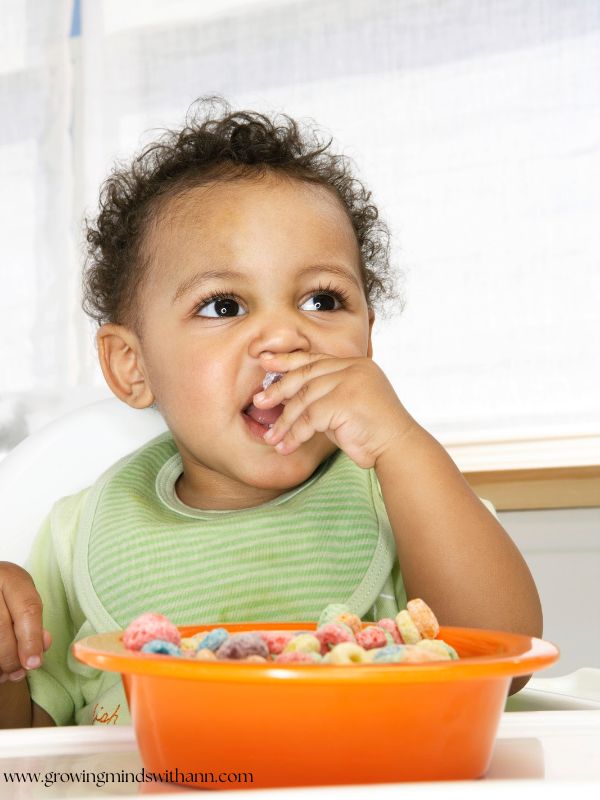
Healthy finger food ideas for babies 6-12 months, including easy fruits, vegetables, protein-rich foods, and simple tips for safe baby feeding
It is always exciting to know that your baby is entering the phase of trying finger foods. It brings so much joy because it is another little sign that your baby is growing and becoming more independent.
At the same time, you may find yourself wondering what foods you should give your baby or whether your little one will even like the food you have prepared. I have been there, and I completely understand that feeling. Feeding a baby can come with plenty of questions, especially when you are trying to make healthy choices while keeping meals safe and enjoyable.
That is why I put together these healthy finger food ideas for babies 6-12 months. Babies grow and develop at different rates, so their foods should be prepared according to their age, eating skills, and individual needs. As your baby becomes more comfortable with different textures, finger foods can also be a wonderful way to encourage self-feeding and let your little one explore new tastes.
In this article, I will share simple and healthy finger food ideas you can prepare for your baby, along with tips for preparing and serving them safely. If you also enjoy preparing your baby’s meals at home, you may find my guide on healthy homemade baby puree recipes you can freeze helpful for making feeding time a little easier and more manageable.
Whether your baby is just starting finger foods or is already reaching eagerly for everything on your plate, I hope these ideas give you some inspiration and make this stage a little less overwhelming.
How to Know Your Baby Is Ready for Finger Foods
Every baby is different, so readiness for finger foods is not only about reaching a certain age. I know how easy it can be to wonder whether your little one is truly ready or if you should wait a little longer.
Here are some simple signs to look out for:
- Sitting upright with good head control: Your baby should be able to sit upright, either independently or with little support, while keeping their head steady.
- Shows interest in food: You may notice your little one watching you eat, reaching for your food, or opening their mouth when food comes near.
- Your baby can reach for and grab things: Being able to pick up toys and other objects and bring them toward their mouth is a good sign that they are developing the coordination needed for self-feeding.
- Bring food to their mouth: Finger foods require your baby to coordinate their hands and mouth. If they can comfortably bring objects to their mouth, they are practicing an important skill.
- Swallow food rather than constantly pushing it out: As babies become ready for solid foods, they generally become better at moving food toward the back of the mouth and swallowing it.
- Learning to handle different textures: If your baby is already comfortable with smooth or mashed foods, you can gradually introduce soft, appropriately prepared finger foods.
You may also see, Best baby playpen ideas for babies and toddlers.
How to Know Healthy Finger Foods for Babies
When choosing finger foods for your baby, it can be tempting to simply offer whatever the rest of the family is eating. But babies have different nutritional and developmental needs, so it is worth paying a little attention to what goes on their plate. I like to keep baby foods simple, soft, nutritious, and easy for little hands to manage.
Here are some things to look out for when choosing healthy finger foods:
- Choose nutrient-rich foods. Include foods that provide important nutrients such as iron, protein, healthy fats, vitamins, and minerals.
- Go for foods that are soft enough to be mashed easily with your fingers. This makes it easier for your baby to manage.
- Variety is the spice of life, therefore choose foods with mixed fruits, vegetables, grains, proteins, and other suitable foods to expose your baby to different tastes and textures.
- Avoid added salt and sugar. Babies do not need foods loaded with salt or added sugar. Let them enjoy the natural flavors of fresh foods.
- Choose foods that are easy to hold such as soft strips, wedges, and appropriately sized pieces. This can make it easier for babies to grasp and explore their food.
- Include iron-rich foods such as well-cooked beans, eggs, meat, and fish. This can help provide iron, which is especially important during this stage.
- Keep foods fresh and minimally processed. Whenever possible, choose simple whole foods and prepare them at home.
- Stay away from hard, round, sticky, or difficult-to-chew foods, and always supervise your baby while eating.
Looking for activities to do with your baby? See 15 Simple activities to do with your baby at home.
Healthy Finger Food Ideas For Babies 6-12 Months
1. Steamed Carrot Sticks
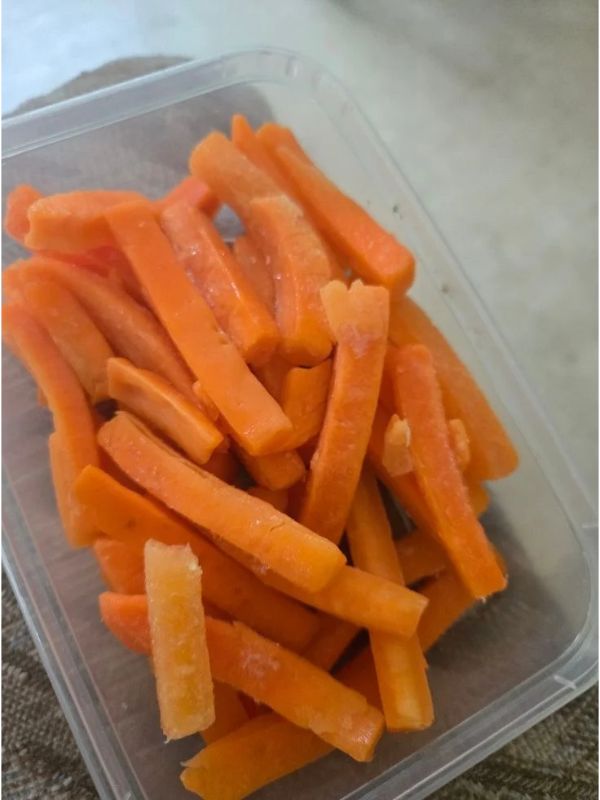
Steamed carrot sticks are one of those simple foods I love for babies because they are easy to prepare and naturally sweet. Carrots also provide nutrients such as beta-carotene, which the body converts to vitamin A.
For your baby who is just starting finger foods, steam the carrots until they are very soft and easy to mash between your fingers. Cut them into appropriately sized sticks that your baby can hold and bring to their mouth. As the baby gets older and develops better eating skills, you can adjust the size and texture while still keeping the carrots soft.
You can serve the carrot sticks on their own or pair them with other suitable foods, such as soft avocado, scrambled egg, or mashed beans. Always supervise your baby while eating and prepare the carrots according to your baby’s developmental stage.
Do you intend travelling with your kids? See Best travel essential kits for kids to help you stay organized during your trip without feeling stressed.
2. Sweet Potato Wedges
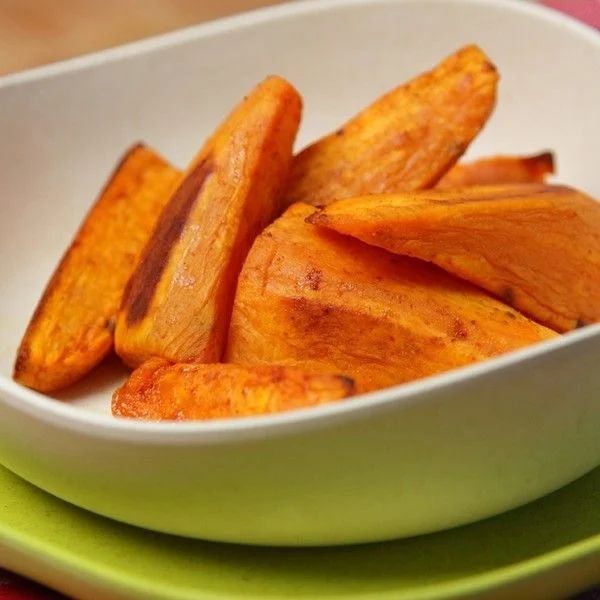
Sweet potato wedges are another simple and nutritious finger food that can be a great choice for babies. They are naturally sweet, soft when cooked, and easy for little hands to hold and explore.
To prepare them, peel the sweet potato and cut it into thick wedges. Steam, bake, or boil them until they are very soft and easy to mash between your fingers. Allow them to cool before offering them to your baby.
You can serve the wedges on their own or pair them with other healthy foods such as scrambled egg, avocado, or soft vegetables. As your baby grows and becomes more comfortable with different textures, you can gradually introduce other ways of preparing sweet potato.
You also like, 15 Creative first year baby photoshoot ideas at home.
3. Soft Broccoli Florets
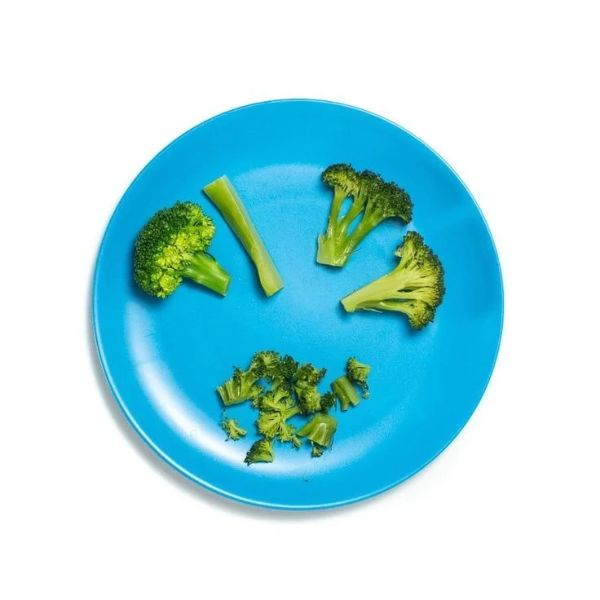
Soft broccoli florets are a simple way to add vegetables to your baby’s meals while introducing them to a new texture. Broccoli becomes soft and easy to handle when steamed, making it a lovely finger food for babies who are ready to explore more foods.
Cut the broccoli into small florets with enough of the stem left on for your baby to hold. Steam them until they are very soft and can be easily mashed between your fingers. Let them cool before serving, and avoid adding salt or other strong seasonings.
Your baby may enjoy the florets on their own, or you can serve them alongside soft sweet potato, avocado, scrambled egg, or other suitable foods. Don’t worry if your little one spends more time squeezing and playing with the broccoli than eating it at first. That messy exploration is part of learning to feed themselves.
Check out these articles:
24 LEGO set ideas for kids of all ages.
Creative LEGO storage and organization ideas.
4. Steamed Zucchini
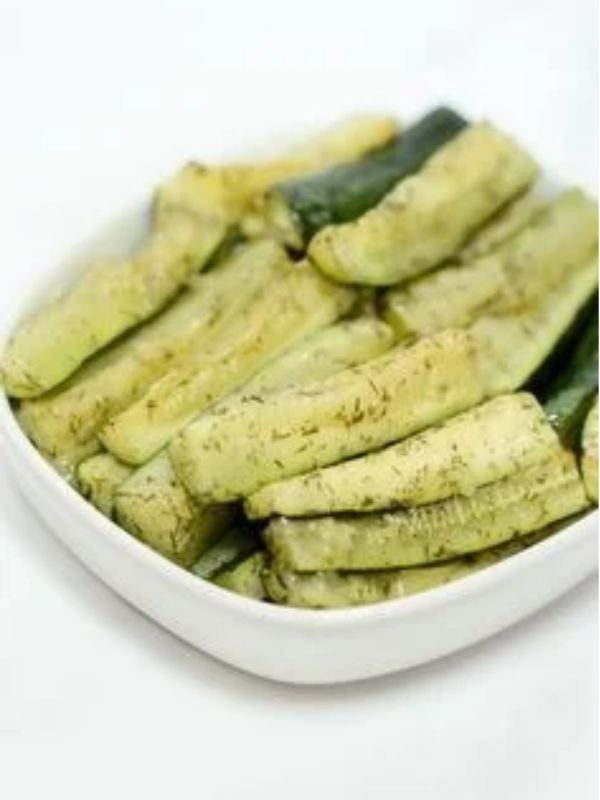
This is another gentle vegetable you can add to your baby’s finger food journey. It has a mild flavor and becomes soft when cooked, making it easy for little hands to hold and explore.
Wash the zucchini well and cut it into thick sticks or wedges that are easy for your baby to grasp. Steam until it is very soft and serve when it has cooled. You do not need to add salt or sugar.
My kids love enjoying the zucchini alone but you can serve it alongside other soft foods such as sweet potato, avocado, or scrambled egg. Make sure the texture and size are appropriate for their developmental stage.
Get your kids engaged with these:
20 STEM toys kids actually love for hands-on learning.
Best educational toys for toddlers and preschoolers.
5. Shredded Chicken
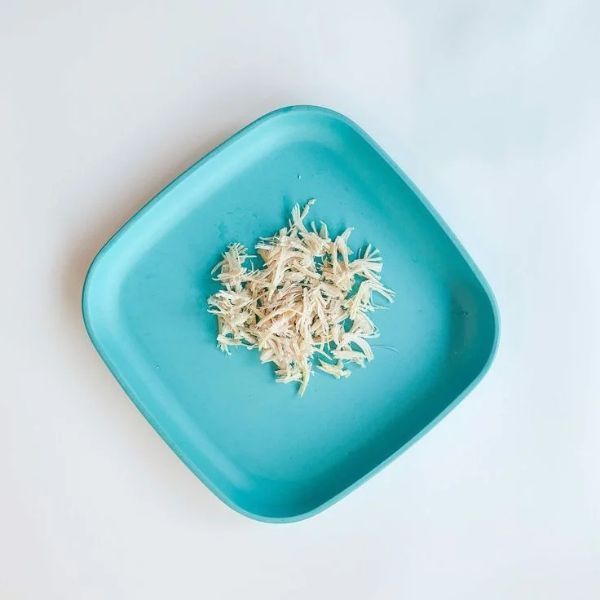
Shredded chicken is a great option when you want to introduce your baby to a soft, protein-rich food. It can also be a nice way to add more variety to your little one’s meals without making things complicated.
Cook the chicken thoroughly until it is tender enough to pull apart easily. Remove any bones, skin, and tough pieces, then shred the meat into very fine, soft strands.
If your baby is still learning to handle meat, start with a small amount and see how they manage the texture. Always supervise your baby while eating and make sure the chicken is completely cooked before serving.
Catch some fun with your toddler using this Fish bone straw threading activity for toddlers.
6. Soft Rice Balls
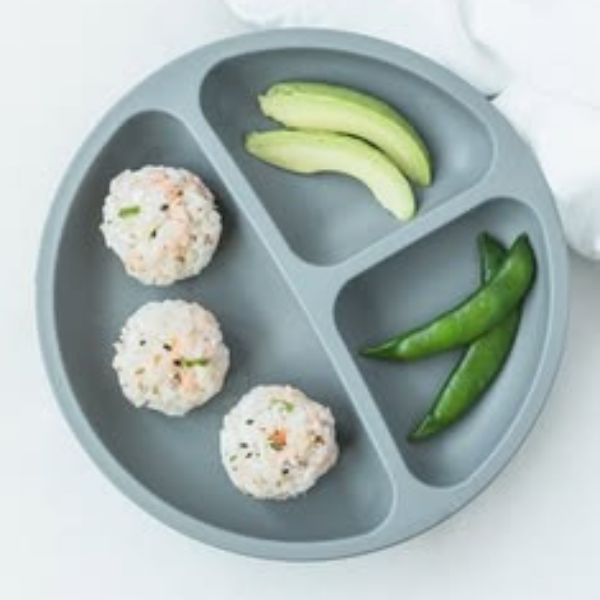
Soft rice balls can be a simple way to introduce your baby to rice while giving them something they can pick up and explore with their little hands. I love options like this because they are easy to prepare and can be combined with other healthy foods your baby already enjoys.
Cook the rice until it is very soft and sticky enough to hold together. Let it cool, then gently shape small portions into soft, manageable balls. Avoid making them too firm or tightly packed, as your baby should be able to mash them easily with their gums.
You can serve the rice balls with soft vegetables, mashed beans, shredded chicken, or flaked fish for extra flavor and nutrients.
engage your toddlers with these:
Popsicle stick match activities for toddlers.
Masking tape activities for toddlers and preschoolers that are fun and easy.
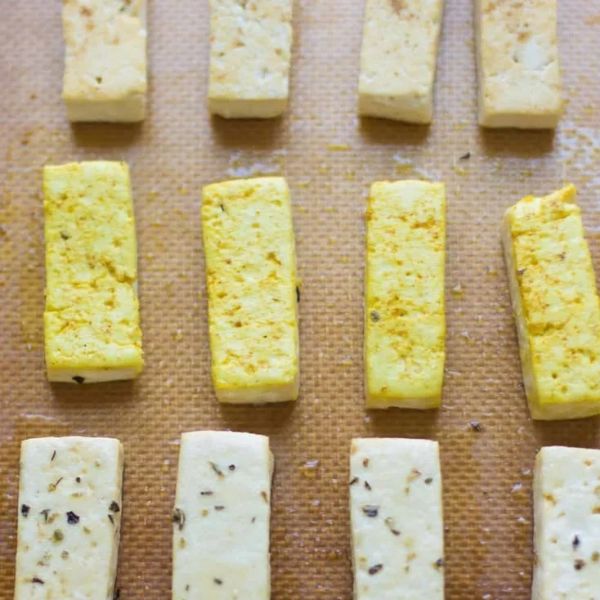
7. Tofu Strips